Selection Points of VSI Crusher for Glass Recycling Process
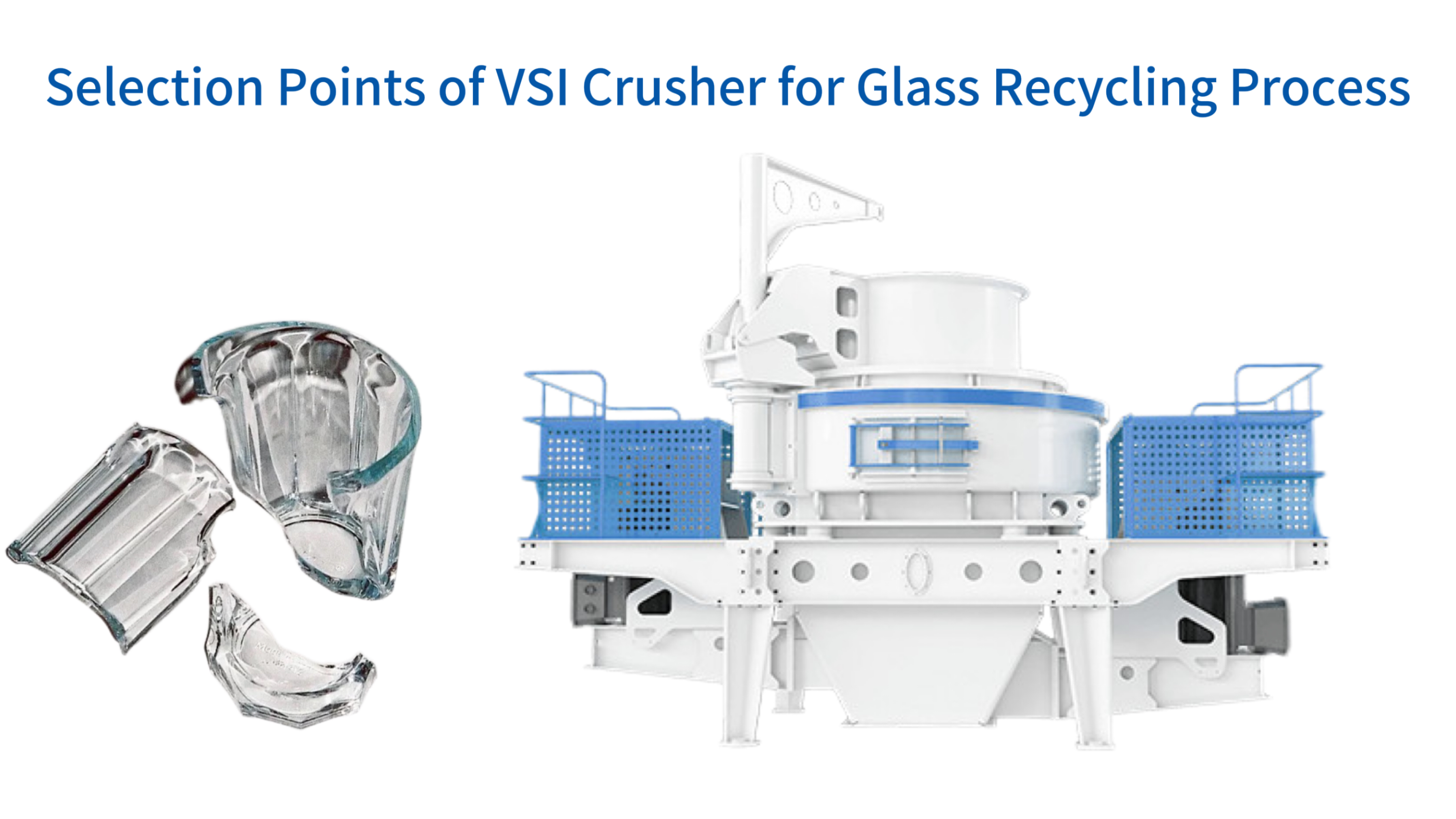
The recycling of waste glass into valuable cullet requires specialized crushing equipment capable of producing consistent particle sizes while minimizing contamination and maximizing yield. Vertical shaft impact crushers have emerged as the preferred technology for glass recycling due to their unique ability to generate cubical particles through high-velocity impact breakage. Selecting the appropriate VSI crusher for a glass recycling operation demands careful consideration of multiple factors including feed material characteristics, desired output specifications, throughput requirements, and integration with downstream processing equipment. This guide provides a systematic framework for evaluating VSI crusher options, drawing upon fifteen years of field experience from MSW Technology in supplying and supporting crushing solutions for diverse recycling applications. By understanding the critical selection parameters and their interrelationships, operators can make informed decisions that optimize both the technical performance and economic returns of their glass recycling operations.
Understanding the Unique Demands of Glass Recycling for VSI Crushers
Glass recycling presents distinct challenges that differentiate it from conventional rock crushing applications. The brittle nature of glass means it fractures along predictable planes when subjected to impact forces, but this same characteristic makes it susceptible to generating excessive fines if the crushing energy is not properly controlled. Recycled glass streams often contain contaminants such as paper labels, plastic caps, metal rings, and organic residues that must be accommodated without damaging the crusher or compromising product quality. The end markets for glass cullet impose strict specifications on particle size distribution, shape, and contamination levels, requiring crushing equipment that can consistently meet these standards while operating at commercial throughputs.
The behavior of glass under impact crushing differs fundamentally from that of natural stone. Glass exhibits minimal plasticity and fractures catastrophically when its stress limit is exceeded, producing fragments with sharp edges and relatively predictable size distributions. However, the presence of laminated glass or tempered glass in the feed stream can introduce complications, as these materials may require higher impact energies to break completely. The VSI crusher design, with its ability to accelerate particles to high velocities and impart controlled impacts, is particularly well-suited to addressing these challenges. Understanding the specific demands of glass recycling allows operators to specify machines with appropriate rotor configurations, anvil arrangements, and wear protection systems.
The Brittle Nature of Glass and Its Impact on Crushing
The fundamental fracture mechanics of glass dictate that breakage occurs through the propagation of cracks from existing flaws under tensile stress. When glass particles are accelerated and impacted against anvils or other particles in a VSI crusher, the resulting tensile stresses cause rapid fragmentation. The energy required for breakage is relatively low compared to rock, but the control of that energy becomes critical to avoid over-crushing. Over-crushing produces excessive fine material that may be rejected by downstream screens or reduce the value of the cullet. Proper VSI configuration balances the impact velocity and the number of impact events to achieve the target particle size distribution with minimal fines generation.
The relationship between particle size and impact velocity follows established principles that can be modeled and optimized for specific glass types. Soda-lime glass, which constitutes the majority of container glass, requires impact velocities in the range of forty to sixty meters per second for effective size reduction. Higher velocities increase the proportion of fines, while lower velocities may result in insufficient breakage of larger particles. The rotor design and speed control capabilities of the VSI crusher directly influence the achievable velocity range and the operator's ability to tune the process for optimal results. MSW Technology's fifteen years of experience have demonstrated that proper velocity selection can reduce fines generation by twenty to thirty percent compared to non-optimized operation.
Contamination Challenges in Recycled Glass Streams
Post-consumer glass collected for recycling invariably contains a variety of contaminants that must be managed throughout the crushing process. Paper labels and plastic films can wrap around rotating components, potentially causing blockages or imbalance if not properly handled. Metal caps and rings, though typically removed by upstream magnetic separation, occasionally pass through and can cause damage to crushing surfaces if the crusher is not designed to accommodate tramp metal. Organic residues such as food waste can create odors and attract pests if allowed to accumulate within the crushing chamber. Effective VSI crusher selection must account for these contamination challenges through appropriate design features and material flow paths.
The ability of a VSI crusher to handle contaminated feed depends on several design elements. Open rotor configurations allow larger particles and potential contaminants to pass through with reduced risk of jamming compared to closed rotor designs. Crushing chambers with generous clearances and smooth internal surfaces minimize opportunities for material accumulation. Access doors and inspection ports facilitate cleaning and maintenance when buildups occur. The crushing cavity geometry influences how contaminants move through the machine and whether they are likely to cause problems. Some VSI designs incorporate features specifically intended for recycling applications, such as enhanced access for cleaning and wear-resistant coatings that resist adhesion of sticky materials.
Particle Size and Shape Requirements for Glass Cullet Markets
The commercial value of recycled glass cullet depends heavily on its particle size distribution and particle shape characteristics. Different end markets have distinct specifications that must be met to achieve maximum pricing. Glass container manufacturers typically require cullet in the range of six to twenty-five millimeters, with strict limits on the percentage of fines below two millimeters and oversize above thirty millimeters. Fines can cause melting problems in furnaces, while oversize may not melt completely during the batch process. Fiberglass insulation producers often require finer material, typically in the three to twelve millimeter range, with even tighter controls on contamination. Aggregate markets for glass used in construction applications may accept broader size ranges but require cubical particle shapes for proper compaction.
The VSI crushing process inherently produces more cubical particles than compression crushing due to the random orientation of impacts and the tendency for particles to break along natural planes. This shape characteristic is highly desirable for most cullet applications, as cubical particles pack more efficiently and flow more freely than flat or elongated particles. The rotor configuration and anvil arrangement influence the final particle shape, with rock-on-rock crushing generally producing the most cubical product due to multiple impacts between particles. The VSI fine crusher variant is often preferred for glass applications requiring precisely controlled particle size distributions. Operators must match the crusher's capabilities to the specific requirements of their target markets to maximize revenue from the recycled product.
Throughput Requirements in Commercial Glass Recycling Operations
The scale of a glass recycling operation directly influences the size and configuration of the VSI crusher required. Small-scale operations processing a few tonnes per hour may be adequately served by compact VSI units with lower power ratings and simpler control systems. Large municipal recycling facilities handling hundreds of tonnes per day require industrial-scale crushers with robust construction, high power capacity, and automated control systems capable of maintaining consistent performance over extended operating periods. The relationship between crusher size and throughput is not linear, as larger machines typically achieve higher efficiency due to reduced edge effects and more uniform material distribution across the rotor.
Throughput requirements must also consider the variability of feed material and the need for surge capacity between processing stages. Glass recycling operations often experience fluctuations in feed rate due to collection schedules, seasonal variations, or upstream sorting efficiency. The VSI crusher must be capable of handling these variations without frequent adjustments or risk of jamming. Hydraulic systems that allow automatic adjustment of operating parameters in response to load changes help maintain consistent throughput while protecting the machine from overload conditions. The motor power rating must be selected with sufficient margin to accommodate peak loads without tripping protection devices. MSW Technology's fifteen years of field data provide reliable guidelines for sizing VSI crushers based on expected throughput and feed characteristics.
Key Design Features of VSI Crushers for Glass Processing
The internal configuration of a VSI crusher determines its suitability for glass recycling applications. Several design features require careful evaluation when selecting equipment for this specific duty. Rotor design influences particle acceleration, wear patterns, and the distribution of material within the crushing chamber. Anvil arrangements affect the breakage mechanism and the resulting particle shape. Material flow paths determine how feed enters the rotor, how it is accelerated, and how it exits the crushing chamber. Each of these design elements must be optimized for glass processing to achieve the desired combination of product quality, throughput, and operating cost.
Manufacturers offer various VSI configurations that may be more or less suitable for glass recycling. Some designs originated in the aggregate industry and have been adapted for recycling applications, while others were developed specifically for processing brittle materials. The differences between these designs can significantly impact performance in glass service. Operators should evaluate not only the nominal specifications of competing machines but also the specific design features that affect their ability to handle glass feed efficiently. Factory testing with representative samples can provide valuable data on how different designs perform with actual glass feedstock.
Rotor Configuration and Speed Control for Optimized Breakage
The rotor is the heart of the VSI crusher, responsible for accelerating feed material to the velocity required for effective breakage. Rotor designs vary primarily in their arrangement of ports, the number of vanes, and the materials used for wear protection. Multi-port rotors provide higher capacity and more uniform particle distribution but may be more susceptible to wear in abrasive glass applications. The selection between open and closed rotor designs affects both the acceleration mechanism and the path of material through the crusher. Open rotors allow feed to pass through more quickly, which can be advantageous for glass where over-crushing is a concern, while closed rotors provide more controlled acceleration and may produce more consistent particle shapes.
Speed control capability is essential for optimizing VSI performance with different glass types and for responding to changes in feed characteristics. Variable frequency drives allow the rotor speed to be adjusted continuously during operation, enabling operators to fine-tune the impact velocity for the specific material being processed. Higher speeds increase breakage but also increase fines generation and wear rates, while lower speeds may reduce capacity but improve product yield. The ability to vary speed also allows compensation for rotor wear, maintaining consistent performance as components degrade over time. The bearing cylinder design must accommodate the speed range required for glass processing while maintaining reliable operation and adequate lubrication.
Anvil and Crushing Chamber Design to Minimize Contamination
The anvils or impact surfaces against which accelerated particles collide play a critical role in determining the breakage mechanism and the potential for contamination. Traditional VSI crushers use stationary anvils made of wear-resistant materials that provide a hard surface for particle impact. In glass recycling, concerns about metal contamination from anvil wear may favor rock-on-rock crushing configurations where particles impact against a bed of material rather than metal surfaces. Rock-on-rock designs eliminate the possibility of metal contamination from anvil wear but may produce different particle size distributions and require more careful control of operating parameters.
The geometry of the crushing chamber influences how particles move after impact and whether they experience secondary breakage before exiting the machine. Chambers designed to promote multiple impacts can improve particle shape but may also increase fines generation. The clearance between the rotor tip and the anvils affects the impact angle and the force of the collision. Adjustable anvil configurations allow operators to modify this clearance to optimize performance for specific feed materials. The frame structure must provide rigid support for the anvils while allowing access for maintenance and adjustment. MSW Technology has developed specialized anvil configurations for glass recycling based on extensive testing with various glass types and contaminant loads.
Closed Rotor vs. Open Rotor Selection for Glass Applications
The choice between closed and open rotor designs represents a fundamental decision in VSI crusher selection for glass recycling. Closed rotors, also known as enclosed rotors, feature a fully enclosed structure with ports through which material is ejected. This design provides precise control over particle acceleration and direction, producing consistent results and enabling higher tip speeds. Closed rotors are generally preferred for applications requiring fine control over particle size and shape. However, they are more susceptible to wear and may be prone to blockage if the feed contains oversized particles or contaminants.
Open rotors, sometimes called semi-enclosed or cascade rotors, have a simpler construction that allows material to flow through more freely. This design is more tolerant of contaminants and oversized feed, making it attractive for recycling applications where feed quality may be variable. The trade-off is less precise control over particle acceleration and potentially greater variation in product size distribution. For glass recycling, the choice between rotor types depends on the consistency of the feed and the stringency of product specifications. Operations processing clean, well-sorted glass may benefit from the precision of closed rotors, while those handling more contaminated streams may prefer the robustness of open designs. The CV crusher variant often incorporates features that bridge the gap between these two approaches.
Material Flow and Internal Recycling Mechanisms
The path that material follows through the VSI crusher affects both the efficiency of the crushing process and the wear distribution on internal components. Well-designed material flow systems ensure that feed is distributed evenly to all rotor ports, maximizing capacity and minimizing uneven wear. Cascade systems that divert a portion of the feed around the rotor can provide a source of material for rock-on-rock crushing while also protecting wear surfaces. Internal recycling mechanisms that recirculate partially crushed material can improve product consistency without requiring external screening and conveying equipment.
The interaction between material flow and air movement within the crusher also influences performance. Air drawn into the machine by the rotating rotor can affect particle trajectories and the distribution of material within the crushing chamber. Some VSI designs incorporate air management features that optimize this interaction for specific applications. Dust control considerations are particularly important in glass recycling, as fine glass particles can create respiratory hazards and accumulate in the work environment. The hopper design should facilitate smooth feed entry while minimizing dust escape. Integrated dust suppression or collection systems may be necessary depending on the scale of operation and local regulations.
Selecting Wear-Resistant Components for Extended Service Life
The abrasive nature of glass makes wear management a critical consideration in VSI crusher selection. Glass particles, particularly when crushed, present sharp edges that rapidly erode unprotected metal surfaces. The wear life of critical components directly affects operating costs, maintenance frequency, and the overall economics of the recycling operation. Selecting appropriate wear materials and component designs can extend service intervals by factors of three to five compared to standard configurations. The initial investment in premium wear parts is typically justified by reduced downtime and lower replacement costs over the life of the equipment.
Wear patterns in VSI crushers processing glass differ from those observed in rock crushing applications due to the different fracture characteristics and particle shapes involved. Glass tends to produce more angular fragments that can gouge and cut wear surfaces, whereas rock produces more rounded particles that cause abrasion. This difference influences the optimal choice of wear materials and the design of wear protection systems. Hard-facing alloys and ceramic composites may provide better resistance to the cutting action of glass than conventional manganese steels. Understanding these wear mechanisms allows operators to specify components that maximize service life for their specific application.
Tungsten Carbide Tips and Their Role in Glass Crushing
The tips of the rotor, where material is ejected at high velocity, experience the most severe wear in any VSI crusher. For glass recycling, tungsten carbide has emerged as the preferred material for these critical components due to its exceptional hardness and wear resistance. Tungsten carbide tips can maintain their profile for thousands of operating hours, whereas steel tips may wear in hundreds of hours when processing glass. The initial cost of carbide tips is substantially higher than steel, but the extended service life and reduced maintenance labor typically result in lower overall operating costs. The configuration of the tips, including their shape and attachment method, affects both wear life and the efficiency of particle acceleration.
The bonding of tungsten carbide to the rotor body requires careful engineering to withstand the high centrifugal forces and impact loads encountered during operation. Mechanical retention systems that secure the tips with bolts or clamps allow replacement of worn tips without removing the entire rotor from the crusher. Brazed or welded attachments provide more permanent connections but complicate replacement when wear occurs. The rotor design must accommodate the selected tip retention method while maintaining balance and structural integrity. MSW Technology's fifteen years of experience have resulted in optimized tip geometries and retention systems that maximize wear life while maintaining the precise particle acceleration required for glass recycling.
Wear Liners and Their Material Composition
The internal surfaces of the crushing chamber, including the anvils, chamber walls, and discharge areas, require protection from the abrasive action of glass particles. Wear liners made from abrasion-resistant materials are typically bolted or clamped in place to allow periodic replacement. The choice of liner material depends on the specific wear mechanisms present in each area of the crusher. High-chromium iron offers excellent abrasion resistance at moderate cost but may be susceptible to impact damage from tramp metal. Composite materials incorporating ceramic inserts provide superior wear life for the most demanding locations but at higher initial cost.
The configuration of wear liners affects not only their service life but also the flow of material through the crusher. Smooth liner surfaces promote material flow and reduce the risk of buildup, while textured surfaces may improve rock-on-rock crushing action but accelerate wear. The thickness of liners must be balanced against the need to maintain internal clearances and the weight limitations of the crusher structure. Some VSI designs utilize replaceable wear plates that can be rotated or repositioned as wear occurs, extending their useful life by distributing wear more evenly. The crushing cavity design should facilitate access to wear liners for inspection and replacement without requiring extensive disassembly of the machine.
Maintenance Access and Ease of Replacement
The frequency of wear part replacement in glass recycling applications makes maintenance access a critical selection criterion. VSI crushers designed with maintenance in mind feature large access doors, hydraulically assisted opening mechanisms, and component layouts that allow quick removal and replacement of wear parts. The time required to replace a set of rotor tips or chamber liners can vary from a few hours to a full shift, depending on the machine design and the availability of tools and lifting equipment. Each hour of downtime represents lost production, so features that reduce maintenance time directly improve the profitability of the operation.
The layout of the surrounding plant also affects maintenance accessibility. Adequate clearance must be provided around the crusher for maneuvering replacement components and for the use of lifting equipment. Service platforms and access stairs should be included in the plant design to facilitate safe and efficient maintenance work. The availability of spare parts and the responsiveness of the equipment supplier's service organization influence the total downtime when replacements are required. MSW Technology maintains comprehensive spare parts inventories and provides technical support to minimize the impact of maintenance on customer operations.
Predictive Wear Monitoring Systems
Modern VSI crushers can be equipped with sensors and monitoring systems that track wear progression and predict when components will require replacement. These systems measure parameters such as vibration, power consumption, and temperature to detect changes that indicate wear. Some systems use ultrasonic or laser sensors to directly measure the thickness of wear liners without requiring visual inspection. The data collected can be analyzed to forecast remaining component life, allowing maintenance to be scheduled during planned downtime rather than in response to unexpected failures. Predictive monitoring reduces both the cost of maintenance and the risk of production interruptions.
The integration of wear monitoring with the crusher's control system enables automatic adjustments that compensate for wear and maintain consistent performance. For example, as rotor tips wear, the effective diameter of the rotor decreases, reducing tip speed for a given rotational speed. The control system can increase rotor speed to maintain the desired impact velocity, preserving product quality until replacement can be scheduled. The bearing cylinder condition can also be monitored through vibration analysis, detecting early signs of bearing wear before failure occurs. MSW Technology's fifteen years of field experience have informed the development of monitoring algorithms specifically calibrated for glass recycling applications.
Power and Drive System Considerations for Glass VSI Crushers
The power requirements of a VSI crusher for glass recycling depend on the feed size, target product size, and desired throughput. Glass requires significantly less energy to crush than hard rock, but the power system must still be sized to handle peak loads and to provide the rotational speed necessary for effective breakage. The selection of motor type, drive configuration, and control system affects both the initial cost and the operating efficiency of the crusher. Electric motors are the standard choice for stationary installations, while diesel engines may be considered for mobile or remote applications.
The relationship between power consumption and throughput in glass crushing follows predictable patterns that can be used to size equipment. Typical specific energy consumption for glass in VSI crushers ranges from two to five kilowatt-hours per tonne, depending on the fineness of the product. This compares favorably with the ten to twenty kilowatt-hours per tonne typical for hard rock crushing, reflecting the lower strength of glass. The power system must be capable of delivering the required energy efficiently while accommodating the variable loads that occur as feed rate and characteristics change during operation.
Motor Power Requirements Based on Feed Size and Throughput
The power required to drive a VSI crusher is primarily determined by the kinetic energy imparted to the material and the rate at which material is processed. The kinetic energy per unit mass is proportional to the square of the tip speed, so higher speeds require disproportionately more power. The required throughput, expressed in tonnes per hour, determines the total power demand. For a given tip speed and throughput, the power requirement can be calculated with reasonable accuracy, allowing the motor to be sized appropriately. Motors that are undersized will be prone to overload trips and may not achieve rated throughput, while oversized motors operate inefficiently and add unnecessary capital cost.
Feed size distribution also influences power requirements, as larger particles require more energy to accelerate to tip speed and may experience different breakage patterns than smaller particles. The rotor design affects the efficiency of energy transfer from the motor to the particles, with well-designed rotors achieving higher utilization of input power. The motor selection must consider both the continuous power demand at rated throughput and the peak loads that occur during startup or when processing difficult material. Soft starters or variable frequency drives can manage these peak loads and reduce stress on both the motor and the driven equipment.
Variable Frequency Drives for Process Flexibility
Variable frequency drives provide significant advantages for VSI crushers in glass recycling applications by allowing continuous adjustment of rotor speed. This capability enables operators to optimize the crushing process for different glass types, to compensate for wear, and to respond to changes in feed characteristics. The optimal tip speed for a given application depends on the glass composition, the desired product size, and the specific configuration of the crusher. VFDs allow this speed to be set precisely and adjusted as needed, rather than being fixed at a single value determined by motor and pulley selection.
The energy efficiency of VFDs also contributes to lower operating costs by matching motor power to actual load requirements. At reduced throughput or when processing easier material, the drive can reduce speed and power consumption, saving energy compared to fixed-speed operation. The soft starting capability of VFDs reduces mechanical stress on the drive train and can extend the life of belts, bearings, and other components. The pulley system in belt-driven configurations can be simplified when VFDs are used, as speed adjustment is accomplished electronically rather than through mechanical changes. MSW Technology recommends VFDs for all but the simplest glass recycling applications due to the operational flexibility they provide.
Belt Drive vs. Direct Drive Configurations
The choice between belt drive and direct drive configurations affects the mechanical complexity, maintenance requirements, and operational characteristics of the VSI crusher. Belt drives use V-belts to transmit power from the motor to the crusher shaft, providing some cushioning against shock loads and allowing speed adjustment through pulley changes. Belts are relatively inexpensive to replace and can protect the motor from damage if the crusher jams. However, belts require regular tensioning and inspection, and they represent an ongoing maintenance cost and a potential source of downtime if they fail.
Direct drive configurations couple the motor directly to the crusher shaft, eliminating belts and their associated maintenance. This arrangement provides higher mechanical efficiency and more precise speed control, particularly when combined with VFDs. Direct drives are generally more compact and require less floor space than belt drives for the same power rating. The trade-off is that shock loads are transmitted directly to the motor, which must be designed to accommodate them. Direct drives also lack the speed adjustment flexibility of belt drives unless VFDs are used. The selection between these configurations depends on factors such as the required power, the available space, and the preference for mechanical simplicity versus operational flexibility.
Energy Efficiency Metrics and Operating Costs
The energy efficiency of a VSI crusher directly affects the operating cost of the glass recycling operation and should be a key selection criterion. Efficiency can be expressed as the specific energy consumption in kilowatt-hours per tonne of product at a given particle size. This metric allows comparison between different machines and configurations, provided that the comparison is made at equivalent product specifications. Factors that influence efficiency include rotor design, tip speed, anvil configuration, and the mechanical losses in the drive train. Higher efficiency machines reduce electricity costs and may allow higher throughput for the same installed power.
The relationship between energy consumption and wear part life must also be considered in the overall cost equation. Operating at higher speeds may improve product quality but will increase both energy consumption and wear rates. The optimal operating point balances these competing factors to minimize total cost per tonne of product. Data from MSW Technology's fifteen years of field experience provide guidance on typical energy consumption for various glass types and product specifications, enabling operators to benchmark their performance and identify opportunities for improvement. Regular monitoring of energy consumption can also detect changes in machine condition, such as bearing wear or belt slippage, that increase power demand and signal the need for maintenance.
Integration with Downstream Glass Cleaning and Sorting Equipment
The VSI crusher does not operate in isolation but as part of an integrated processing system that includes cleaning, sorting, and material handling equipment. The configuration of downstream equipment affects the demands placed on the crusher and the quality of the final product. Effective integration requires consideration of material flow rates, particle size distributions, and the sequence of processing steps. The crusher must be compatible with upstream feeding systems and downstream conveyors, screens, and separators to achieve smooth, continuous operation without bottlenecks or recirculation loads.
The location of the crusher within the overall process flow affects both its design and operation. Some glass recycling plants place the crusher after initial sorting and cleaning to reduce wear and contamination in the crushing stage. Others crush first and rely on downstream equipment to separate contaminants from the cullet. Each approach has advantages and disadvantages that must be evaluated based on the specific characteristics of the feed material and the requirements of the end market. The construction and demolition waste recycling context often involves glass mixed with other materials, requiring careful integration of crushing and separation stages.
Magnetic Separation for Ferrous Metal Removal
Ferrous metal contaminants such as steel caps, rings, and wire fragments must be removed from the glass stream to protect downstream equipment and meet product quality specifications. Magnetic separators installed before the crusher remove tramp metal that could damage the rotor and wear components. Separators after the crusher capture metal particles that have been liberated during crushing. The configuration of magnetic separation depends on the expected metal content and the sensitivity of the market to metal contamination. Overbelt magnets suspended above conveyors provide continuous removal, while magnetic drums integrated into the material flow offer higher efficiency for certain applications.
The presence of metal in the crusher feed not only risks mechanical damage but also affects product quality. Metal particles that survive the crushing process can cause defects in glass containers or damage to downstream processing equipment. The frame of the crusher should be designed to minimize the risk of metal becoming trapped or causing secondary damage if it does enter the machine. Some VSI designs incorporate features such as breakaway anvils or sacrificial wear plates that protect critical components from tramp metal impacts. MSW Technology recommends that magnetic separation be considered an essential component of any glass recycling system, with capacity matched to the maximum expected metal content of the feed.
Air Classification for Lightweight Contaminants
Paper labels, plastic films, and other lightweight contaminants present in recycled glass can be effectively removed using air classification technology. Air classifiers use controlled air streams to separate materials based on their aerodynamic properties, with lighter materials being carried away while heavier glass particles fall through. When positioned after the crusher, air classification can remove contaminants that have been liberated from the glass surface during crushing. The efficiency of air classification depends on the particle size distribution of the glass and the characteristics of the contaminants, with proper system design required to achieve acceptable separation.
The integration of air classification with the VSI crusher requires careful attention to material flow and dust control. The air classifier must receive a consistent feed rate and particle size distribution to maintain separation efficiency. Dust generated during crushing must be managed to prevent interference with the classification process and to maintain acceptable working conditions. The hopper and feed system should be designed to minimize segregation of material that could affect classifier performance. Some modern recycling plants incorporate multiple stages of air classification to achieve the high purity levels required for container glass manufacturing.
Screening Systems for Particle Size Classification
Screens are essential for separating crushed glass into size fractions that meet market specifications and for removing oversize material that requires recirculation. The screen configuration must be matched to the capacity of the crusher and the desired product size distribution. Multi-deck screens can produce multiple size fractions simultaneously, allowing different products to be directed to different storage bins or further processing stages. The screen media, whether woven wire, polyurethane, or perforated plate, must be selected for compatibility with glass and resistance to wear.
The relationship between the crusher and the screening system affects the overall efficiency of the process. Closed-circuit operation, where oversize material from the screen is returned to the crusher, ensures that all material ultimately meets the target size specification. The recirculation load must be considered in sizing both the crusher and the screen, as it increases the total material handled. The VSI crusher design influences the shape of the product and the amount of fines generated, which in turn affects screen performance. MSW Technology's experience has shown that proper integration of crushing and screening can increase effective capacity by twenty to thirty percent compared to open-circuit operation.
Automated Control and System Synchronization
The complexity of modern glass recycling plants demands sophisticated control systems that coordinate the operation of multiple pieces of equipment. Programmable logic controllers with human-machine interfaces allow operators to monitor and adjust all process parameters from a central location. Automatic sequencing of startup and shutdown procedures protects equipment and ensures consistent operation. Interlocks between the crusher and downstream equipment prevent material buildup and jams by stopping the feed when downstream equipment is unable to accept material.
Advanced control systems can also optimize the operation of the VSI crusher based on feedback from downstream sensors. For example, if screens become overloaded, the control system can reduce crusher feed rate or adjust crusher parameters to modify the particle size distribution. Real-time quality monitoring using online analyzers can provide immediate feedback on product specifications, allowing automatic adjustment of crusher settings to maintain compliance. The aggregate processing industry has developed sophisticated control strategies that are directly applicable to glass recycling. MSW Technology offers integrated control solutions that combine our fifteen years of process knowledge with modern automation technology.
Evaluating Total Cost of Ownership and ROI for Glass Recycling VSI Crushers
The selection of a VSI crusher for glass recycling must ultimately be justified by the economic returns it generates. Total cost of ownership analysis provides a framework for comparing different equipment options by considering not only the initial purchase price but also all costs incurred over the expected life of the machine. These costs include energy consumption, wear part replacement, maintenance labor, and downtime. The revenue generated by the sale of cullet depends on product quality and the ability to meet market specifications. A comprehensive financial analysis considers all of these factors to determine the net present value and internal rate of return of the investment.
The scale of the operation influences the relative importance of different cost components. Small operations may be more sensitive to initial capital cost, while large operations with high throughput are more affected by operating costs and efficiency. The expected life of the equipment, typically ten to twenty years for well-maintained VSI crushers, determines the period over which costs and revenues are evaluated. MSW Technology's fifteen years of experience have provided extensive data on the long-term performance of VSI crushers in glass recycling, enabling accurate projections of operating costs and equipment life for various applications.
Initial Capital Investment vs. Operating Costs
The initial capital investment for a VSI crusher includes the purchase price of the machine, delivery and installation costs, and any ancillary equipment required for integration into the plant. Higher-priced machines often incorporate features that reduce operating costs, such as more durable wear parts, more efficient drive systems, or easier maintenance access. The decision between lower initial cost and higher operating cost must be based on the expected throughput and operating life of the equipment. For a high-throughput operation running multiple shifts, a small reduction in operating cost can quickly offset a significantly higher initial investment.
The payback period for the incremental investment in premium features can be calculated by comparing the annual operating cost savings to the additional capital required. For example, a crusher with tungsten carbide rotor tips may cost twenty percent more than a comparable machine with steel tips but may achieve five times the tip life, reducing replacement frequency and labor costs. If the annual savings exceed the additional capital cost divided by the expected life, the premium machine is economically justified. The rotor design significantly influences both initial cost and operating expenses, making it a key consideration in the selection process.
Wear Part Consumption Rates and Replacement Frequency
The consumption rate of wear parts is the single largest operating cost for most VSI crushers in glass recycling. Wear rates depend on the abrasiveness of the glass, the operating parameters, and the materials used for wear protection. Data from similar applications provide the best basis for estimating consumption rates, as laboratory tests may not fully replicate field conditions. The cost of wear parts includes not only the purchase price but also the labor required for replacement and the value of production lost during downtime. Parts that can be replaced quickly and with minimal special tools reduce the total cost of wear.
Negotiating supply agreements with the equipment manufacturer or aftermarket suppliers can reduce the cost of wear parts and ensure availability when needed. Some manufacturers offer wear parts on a cost-per-tonne basis, transferring the risk of wear variability to the supplier. The crushing cavity design affects the distribution of wear and the number of parts requiring replacement. MSW Technology's fifteen years of field data provide reliable wear rate projections for various glass types and operating conditions, enabling customers to budget accurately for this significant operating expense.
Downtime Considerations and Maintenance Schedules
Unscheduled downtime due to equipment failure is one of the most costly events in any recycling operation, as it stops production entirely while fixed costs continue to accrue. The reliability of the VSI crusher and its components directly affects the frequency and duration of downtime. Machines designed with robust construction, conservative ratings, and redundant systems where appropriate minimize the risk of unexpected failures. Scheduled maintenance, performed during planned downtime, is far less costly than responding to breakdowns. The maintenance schedule must be realistic and achievable given the operating hours and the availability of personnel and parts.
The complexity of maintenance tasks affects the duration of downtime when work is required. Crushers that allow wear parts to be replaced without removing the rotor or major disassembly reduce maintenance time significantly. Access features such as large doors, hydraulic assists, and quick-release fasteners should be evaluated when comparing machines. The availability of service technicians from the equipment supplier can also affect downtime, particularly for complex repairs. MSW Technology provides comprehensive maintenance training and technical support to help customers minimize downtime and maintain their equipment in peak condition.
Quality of Output Cullet and Market Value Impact
The ultimate value of the recycled glass cullet depends on its quality, which is directly influenced by the performance of the VSI crusher. Particle size distribution, particle shape, and contamination levels all affect the price that can be achieved in different markets. Premium markets such as container glass manufacturing require high purity and consistent size, commanding higher prices than lower-grade applications such as aggregate or fiberglass. The crusher must be capable of consistently meeting the specifications of the target market to justify the investment in recycling equipment.
The relationship between crusher configuration and product quality is complex but predictable. Rotor speed, anvil configuration, and internal recycling all influence the final particle characteristics. Testing with representative samples using different machine settings can identify the configuration that maximizes product value for a given feed material. The VSI fine crusher variant may be preferred for applications requiring precise control over particle size distribution. MSW Technology's process testing services help customers identify the optimal crusher configuration and operating parameters to maximize the value of their recycled glass product.