A Comprehensive Guide to Removing Stubborn Buildup and Preventing Material Adherence in Roll Crushers
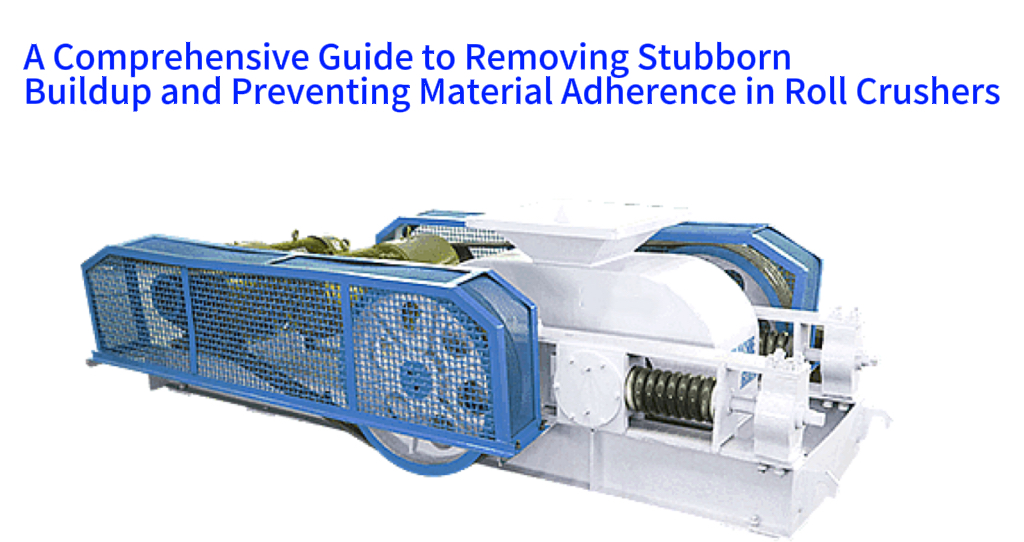
Roll Crusher Buildup Solution Workflow
Root Cause Analysis
Identify Buildup Mechanisms
Safety Protocols
Lockout-Tagout & PPE
Targeted Cleaning
Mechanical/Hydraulic/Chemical
Preventive Measures
Operational & Design Adjustments
Monitoring & Maintenance
Scheduled Checks & Trend Analysis
This guide provides a systematic methodology for addressing the common operational challenge of material adherence within roll crushers. It examines the fundamental causes of material caking, detailing sequential procedures for safe and effective cleaning. The discussion encompasses mechanical, hydraulic, and chemical removal techniques. Furthermore, the guide presents operational adjustments and design considerations aimed at preventing recurrence. The integration of these strategies into a standardized maintenance protocol is outlined to support consistent crusher performance, maintain target product specifications, and extend component service life. The expertise of MSW Technology, derived from fifteen years of field application and problem-solving in comminution systems, informs the practical recommendations contained herein.
The Underlying Mechanisms of Material Buildup and Their Operational Consequences
| Buildup Cause | Core Mechanism | Key Operational Consequences |
|---|---|---|
| Moisture & Adhesiveness | Surface moisture acts as binder; sticky mineral/ material constituents compact | Hardened cake formation; impaired gravitational discharge |
| Excessive Fine Particles | Fines form cushioning layer on rolls/chamber walls | Cushioned crushing effect; reduced efficiency; altered particle size distribution |
| Downtime Consolidation | Residual damp material hardens; condensation amplifies paste formation | Solid obstructive masses; difficult manual removal |
| Suboptimal Operational Params | Incorrect roll speed/ gap/ feed size causes prolonged compaction in nip zone | Increased particle adhesion; accelerated layer formation; reduced throughput |
Effective mitigation of material caking requires a foundational understanding of its causative factors and subsequent impacts on system performance. Adherence is not a singular event but the product of interactions between feed material properties, equipment configuration, and processing parameters. A precise identification of these root causes constitutes the essential first step in formulating a durable solution.
Moisture Content and Inherent Material Adhesiveness
Surface moisture present on feed particles acts as a binding agent, facilitating the cohesion of fine materials under compressive forces. Certain mineral compositions, such as clays, or specific processed materials like demolition waste can contain naturally sticky constituents. These constituents undergo compaction within the crushing chamber to form dense, hardened cakes that resist gravitational discharge.
Excessive Generation and Accumulation of Fine Particles
The production of an overly high percentage of fines during the crushing process leads to the development of a cushioning layer. This layer adheres to roll surfaces and chamber walls, impeding direct contact between the rolls and larger feed particles. This phenomenon, known as the cushioned crushing effect, not only promotes buildup but also reduces crushing efficiency and alters the final product's particle size distribution.
Consolidation and Hardening During Equipment Downtime
Residual damp material left within the crusher during extended periods of inactivity is subject to consolidation. In environments with significant temperature fluctuations or high humidity, condensation can occur on internal metal surfaces. This moisture is absorbed by the residual fines, creating a paste that subsequently hardens into a solid, obstructive mass that is particularly difficult to remove.
The Influence of Suboptimal Operational Parameters
Operating a roll crusher with parameters mismatched to the feed material accelerates buildup. An inappropriate speed differential between the rolls, an excessively small gap setting, or an oversized feed size can force material to undergo prolonged compaction. This extended dwell time within the nip zone significantly increases the probability of particle adhesion and layer formation.
Prerequisite Safety Protocols Prior to Commencing Cleaning Operations
Mandatory Pre-Cleaning Safety Steps
Energy Isolation & Lockout-Tagout
Disconnect and lock electrical/hydraulic power; apply clear tagout devices to prevent accidental re-energization.
Internal Cavity Risk Assessment
Inspect for loose liners, hanging material, or structural weaknesses; secure moving elements with mechanical supports if needed.
PPE & Tool Selection
Wear safety glasses, hard hat, steel-toed boots, heavy gloves; use non-sparking/nylon tools to protect crusher surfaces.
Controlled Work Zone & Ventilation
Demarcate work area with signage; ensure adequate ventilation for dust/chemical fumes via fans/dust extraction.
Implementing a rigorous safety procedure before any maintenance intervention is a non-negotiable requirement. This preparatory phase is designed to eliminate hazards to personnel and to establish conditions conducive to an efficient and damage-free cleaning process. A methodical approach ensures that all potential energy sources are neutralized.
Comprehensive Energy Isolation and Lockout-Tagout Procedures
The complete de-energization of all power sources feeding the crusher system is mandatory. This process involves disconnecting and locking out electrical power to the main drive motor, hydraulic adjustment systems, and any associated conveyors. Tagout devices must be clearly placed to inform all personnel that maintenance is underway, thereby preventing any accidental re-energization of the equipment.
Internal Cavity Inspection and Risk Assessment
Following lockout, a visual and physical inspection of the crusher's interior is necessary before entry or direct contact. Maintenance personnel must verify the absence of loose liners, residual hanging material, or structural weaknesses. In some cases, mechanical supports may be required to secure moving elements like the roll assembly prior to manual work commencing within the chamber.
Selection of Appropriate Personal Protective Equipment and Tools
Operators must be equipped with suitable personal protective equipment, including safety glasses, hard hats, steel-toed boots, and heavy-duty gloves. The selection of cleaning tools depends on the severity of buildup; non-sparking tools such as copper or brass scrapers protect roll surfaces, while nylon pry bars, industrial-grade scrapers, and high-pressure water lances are chosen based on the task.
Establishment of a Controlled Work Zone and Ventilation
Demarcating the area surrounding the crusher with clear signage prevents unauthorized access. When chemical cleaning agents are employed or when the process generates airborne dust, ensuring adequate ventilation is critical. This may involve using portable fans or connecting to existing dust extraction systems to maintain a safe breathing atmosphere for the workers involved.
Methodical Cleaning Techniques for Specific Crusher Components
Roll Surface Mechanical Cleaning
Use non-metallic scrapers to peel hardened layers at an angle; avoid gouging roll surfaces to preserve nip and discharge size control.
Target: Roll shells/chevron patterns
High-Pressure Water Jetting
70-150 MPa pressure with rotary nozzle; flush compacted fines from chamber liners, baffles and hard-to-reach corners. Shield electrical/bearing components.
Target: Chamber walls/structural corners
Chemical Cleaning for Organic Deposits
Apply biodegradable solvents/alkaline cleaners; allow dwell time to break oil/tar/bio-organic bonds; rinse thoroughly after removal.
Target: Oil/tar/bio-organic contaminated material
Controlled Thermal Cleaning
Use industrial hot air gun to heat asphalt/plastics above softening point; scrape pliable material; monitor temperature to avoid seal/lubricant damage.
Target: Asphalt/plastic thermoplastic deposits
The removal of caked material necessitates a targeted approach, with methods selected according to the location and tenacity of the deposit. A combination of techniques is often required to fully restore the functional surfaces of the crushing chamber, the rolls themselves, and the discharge area to their optimal condition.
Mechanical Removal of Hardened Layers from Roll Surfaces
Stubborn encrustations on the roll shells or chevron patterns are best addressed initially with manual mechanical tools. Using non-metallic scrapers, personnel work to break the adhesive bond at the interface between the roll metal and the cake. The application of force is directed at specific angles to peel the material away in layers, taking consistent care to avoid gouging or deforming the underlying roll surface, which is critical for maintaining proper nip and discharge size control.
High-Pressure Water Jetting for Chamber Walls and Structural Corners
For general cleaning of chamber liners, internal baffles, and hard-to-reach corners, high-pressure water jetting proves highly effective. A system capable of delivering pressures between 70 and 150 MPa, with a focused rotary nozzle, can dislodge and flush away compacted fines. It is imperative to shield electrical components, bearing housings, and lubrication points from direct water ingress during this process to prevent subsequent corrosion or bearing failure.
Application of Specialized Chemical Agents for Organic Deposits
Certain materials, such as those contaminated with oils, tars, or bio-organic matter, may resist mechanical and hydraulic methods. In these controlled scenarios, biodegradable industrial solvents or alkaline cleaners can be applied. The solvent is sprayed or brushed onto the deposit, allowed a prescribed dwell time to break down the binding agents, and then the softened residue is removed with low-pressure water or manual tools, followed by thorough rinsing.
Controlled Thermal Assistance for Thermoplastic Materials
Processing recycled aggregates containing asphalt or plastics can lead to unique, melt-induced buildup. For these substances, the careful application of controlled heat from an industrial hot air gun can raise the material's temperature above its softening point. Once pliable, the material can be scraped away much more easily. This method requires strict temperature monitoring to prevent damage to crusher seals or lubricants and to avoid generating harmful fumes.
Proactive Operational and Design Strategies for Buildup Prevention
Operational Optimization Strategies
Pre-screen feed to remove excessive fines before crushing
Manage moisture via drying/blending with dry aggregate
Tune roll speed/feed rate/gap to avoid over-compaction
Run crusher empty 2-3 mins pre-shutdown to evacuate material
Feed clean coarse aggregate as scouring medium pre-shutdown
Design & Retrofit Strategies
Select rolls with self-cleaning spiral grooves/tooth profiles
Install permanent rigid/adjustable scrapers/plows on roll surfaces
Integrate automated air blast systems for critical areas
Optimize chamber geometry to minimize material dwell time
Use low-adhesion surface coatings for internal components
While cleaning remedies existing problems, modifying the process and equipment design addresses the origin of material adherence. Strategic adjustments to the feed stream and crusher operation can dramatically reduce both the frequency and severity of buildup events, transforming a reactive maintenance issue into a managed process variable.
Feed Stock Pre-Processing and Moisture Management
Introducing a pre-screening stage to remove a significant portion of inherent fines before the crusher directly reduces the raw material available for caking. For consistently damp feed, integrating a simple drying system, such as a passive air shed or a low-temperature dryer, or blending with a controlled percentage of dry aggregate can lower the overall moisture content to a non-problematic level, a principle also applicable in aggregate processing circuits.
Optimization of Crusher Operational Setpoints
Fine-tuning the crusher's operational parameters establishes a balance between production efficiency and buildup tendency. This involves adjusting the roll speeds to ensure a positive scraping action, regulating the feed rate to match the crusher's crushing capacity and preventing choke-feeding, and setting the roll gap appropriately to minimize the over-compaction of material, thereby reducing the generation of new adhesive fines.
Implementation of a Pre-Shutdown Clearing Procedure
Establishing a standard operating procedure for planned crusher stoppages is a simple yet powerful preventive measure. This involves running the crusher empty for a short period, typically two to three minutes, after the feed supply is halted to evacuate the majority of processed material. Alternatively, feeding a small amount of clean, dry, coarse aggregate can act as a scouring medium to clean the rolls and chamber before the machine is powered down.
Incorporation of Anti-Bridging Design Features
During equipment specification or retrofit, selecting components designed to resist adhesion offers a long-term advantage. Rolls with self-cleaning spiral grooves or aggressive tooth profiles can shed material more effectively. Installing permanent rigid scrapers or adjustable plows that bear against the roll surface, or integrating an automated air blast system to periodically clear critical areas, are effective design-based solutions.
Development of a Structured Preventive Maintenance and Monitoring Regime
Preventive Maintenance & Monitoring Framework
Daily & Weekly Inspections
Monitor crushing noise, drive motor amperage, product consistency; visual check of roll surfaces/chamber walls via inspection ports for early buildup signs.
Scheduled Deep Cleaning & Condition Assessment
Quarterly for harsh/sticky materials; semi-annual/annual for clean feeds. Includes full internal cleaning, roll wear measurement, and all internal component inspection.
Auxiliary System Focused Maintenance
Proper roll bearing lubrication (avoid over/under-greasing); regular shaft seal checks to prevent dust ingress/lubricant egress and secondary buildup.
Maintenance Record Analysis & Trend Identification
Log all buildup events, cleaning actions, and operational parameters; analyze data to correlate feed materials/weather/settings with buildup rates for continuous strategy refinement.
Sustaining crusher performance requires institutionalizing observation and maintenance tasks. Integrating specific checks for early signs of buildup into daily routines and scheduling periodic comprehensive interventions creates a proactive management system that prevents minor issues from escalating into major downtime events.
Daily and Weekly Visual and Operational Inspections
Operators should include specific checks during their rounds. These involve listening for changes in crushing noise, monitoring drive motor amperage for unexplained increases, observing the product stream for changes in consistency, and using inspection ports to visually assess the condition of roll surfaces and chamber walls for any initial signs of material accumulation.
Scheduled Periodic Deep Cleaning and Condition Assessment
Regardless of apparent condition, a mandatory full internal cleaning and inspection should be scheduled based on operating hours or material throughput. For harsh, sticky materials, this may be quarterly; for cleaner feeds, a semi-annual or annual schedule may suffice. This planned downtime allows for thorough cleaning, measurement of roll wear, and inspection of all internal components, akin to procedures followed for jaw crusher maintenance.
Focused Maintenance of Auxiliary Systems: Lubrication and Seals
Proper lubrication of roll shaft bearings is paramount. Over-greasing can lead to seal failure and grease contamination of the crushing chamber, which acts as a magnet for dust. Conversely, under-lubrication causes bearing wear. Regularly checking and maintaining shaft seals prevents both the ingress of abrasive dust into bearings and the egress of lubricant, thereby removing a potential contributor to material caking.
Analytical Review of Maintenance Records for Trend Identification
Maintaining detailed logs of all buildup events, cleaning actions, and operational parameters at the time provides a valuable database. Analyzing this data over time can reveal correlations between specific feed materials, weather conditions, or operational settings and the rate of buildup. This empirical evidence allows for the continuous refinement of preventive strategies and operational guidelines.
Rapid Diagnosis of Crusher Malfunctions Induced by Material Buildup
| Malfunction Symptom | Buildup-Induced Cause | Immediate Corrective Action |
|---|---|---|
| Product Size Coarsening/Throughput Drop | Uneven roll coating alters nip geometry/functional discharge gap | Shut down & clean roll surfaces; verify gap setting post-cleaning |
| Unusual Vibration & Rhythmic Pounding | Asymmetric buildup creates unbalanced rotating mass | Inspect for uneven roll coating; perform targeted cleaning to restore balance |
| Drive Motor Overload Tripping | Severe cavity blockage locks rolls; motor draws excessive current | Do NOT restart; lockout and manually clear crushing chamber obstruction |
| Hydraulic Pressure Spikes/Fluctuations | Buildup blocks roll travel path/hydraulic adjustment mechanism | Isolate hydraulic system; clean obstruction from adjustment mechanism/roll housing |
Even with robust preventive measures, occasional buildup is possible in variable conditions. The ability to quickly recognize the symptoms of a blockage or performance degradation caused by caking, and to execute the correct corrective action, is essential for minimizing operational disruption and avoiding secondary equipment damage.
Diagnosing Changes in Product Size or Throughput Rate
A sudden coarsening of the output product or a measurable drop in production tonnage can indicate that the effective crushing gap has been altered. Unlike gradual wear, buildup often occurs unevenly, causing one roll to become coated more than the other. This asymmetry changes the nip geometry and the functional discharge setting, leading to an immediate shift in product sizing without any actual mechanical adjustment of the crusher.
Investigating Sources of Unusual Vibration and Acoustic Signatures
Asymmetric material adherence on a roll acts as an unbalanced mass rotating at high speed. This imbalance generates a distinct, often cyclical, vibration and a rhythmic pounding noise that correlates with the crusher's rotational speed. Differentiating this symptom from those caused by mechanical failures like a damaged bearing or misalignment is key; imbalance from buildup typically manifests immediately after processing a problematic material batch and may diminish if the cake breaks away.
Responding to Drive Motor Overload Tripping Events
When a severe cavity blockage occurs, the rolls can become fully locked. The drive motor, attempting to overcome this bind, will draw excessive current and cause the overload protection relay to trip, shutting down the system. The correct response is to never repeatedly attempt to restart the motor. Instead, after ensuring lockout, the crushing chamber must be manually cleared to remove the obstruction before the crusher is restarted, a safety principle equally vital for gyratory crusher operations.
Analyzing Anomalies in Hydraulic Adjustment System Pressure
For crushers with hydraulic systems to adjust the roll gap, buildup can provide diagnostic clues. If material becomes packed behind a roll or in the mechanism's travel path, attempting to adjust the gap may result in unusually high or fluctuating hydraulic pressure readings. This pressure spike indicates a physical obstruction preventing the roll from moving freely, pointing directly to a clearance issue likely caused by compacted material rather than a primary hydraulic system failure.