Wear Detection and Maintenance Skills for Tracks and Tires of Mobile Crusher
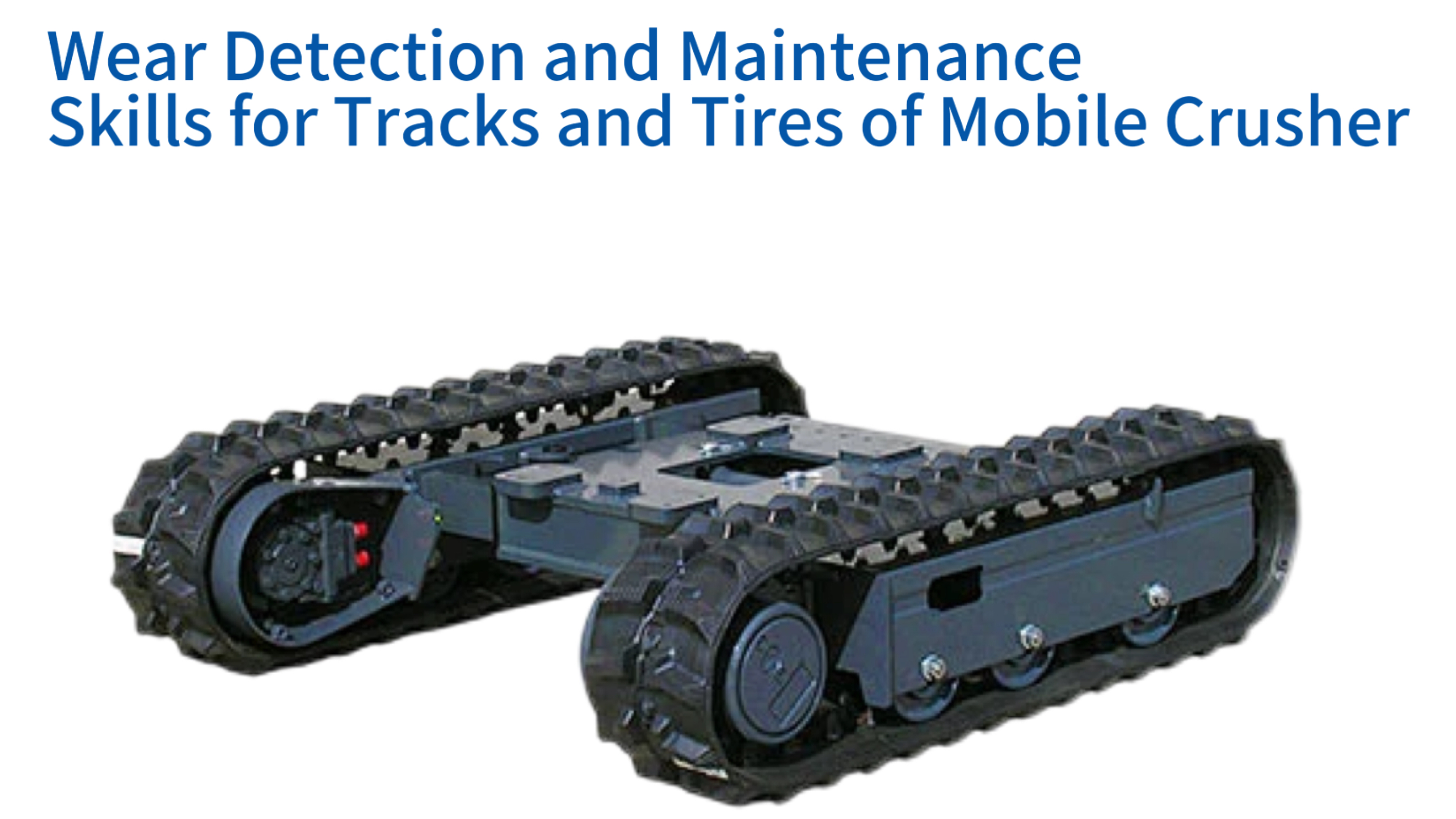
The mobility systems of mobile crushers represent the critical interface between the machine and the challenging environments where crushing operations occur. Tracks and tires endure continuous exposure to abrasive materials, uneven terrain, severe loads, and variable weather conditions that collectively accelerate wear and compromise performance. Understanding how to detect early signs of wear and implement effective maintenance procedures for these components directly impacts operational uptime, safety, and the economic viability of crushing projects. This comprehensive guide examines the fundamental principles of wear detection, systematic inspection methodologies, proper maintenance techniques, and operational practices that preserve the integrity of tracks and tires. MSW Technology, drawing upon fifteen years of specialized experience in mobile crushing equipment, has developed and refined these maintenance approaches through thousands of field applications across diverse mining and construction environments. The knowledge presented here represents practical wisdom accumulated through decades of direct engagement with the challenges that operators face when deploying mobile crushers in demanding production settings.
Understanding the Fundamental Wear Mechanisms Affecting Mobile Crusher Mobility Components
Key Wear Mechanisms for Mobile Crusher Mobility Components
| Wear Mechanism | Impact Severity | Primary Affected Components |
|---|---|---|
| Abrasion | High | Tire treads, track pads, roller surfaces |
| Material Fatigue | Very High | Track pins/bushings, roller bearings, suspension components |
| Impact Damage | High | Tire sidewalls, track links, idlers |
| Rubber Degradation | Medium | Tire compounds, track pad rubber |
| Corrosion | Medium | Track chains, roller bearings, fasteners |
The tracks and tires of mobile crushers operate under conditions that systematically degrade their structural and functional integrity over time. Abrasion represents the primary wear mechanism, occurring when rock particles, gravel, and other crushed materials continuously contact and scrape against rubber and metal surfaces during machine movement. This abrasive action gradually removes material from tread patterns, sidewalls, and track components, reducing traction capabilities and increasing the risk of sudden failure. The severity of abrasive wear depends directly on the hardness and angularity of materials encountered, with sharp-edged crushed stone causing significantly more rapid degradation than rounded natural aggregates. Impact damage constitutes another major wear pathway, resulting from the machine traversing obstacles, loading onto transport trailers, or operating in quarries with uneven floor conditions.
The cyclical loading patterns inherent in crushing operations create unique stress profiles that accelerate wear in predictable patterns. Each movement cycle imposes compressive, tensile, and shear stresses on mobility components, with the magnitude of these stresses varying according to terrain conditions, load weights, and operating speeds. Tracks experience concentrated stresses at drive sprocket engagement points and roller contact areas, where pin and bushing interfaces undergo millions of articulation cycles throughout the equipment lifespan. Tires develop characteristic wear patterns based on load distribution, inflation pressures, and alignment conditions, with improper maintenance causing accelerated edge wear, center tread wear, or irregular spot wear that dramatically reduces service life. Understanding these fundamental wear mechanisms enables operators to recognize early warning signs and implement corrective actions before minor wear progresses to catastrophic failure .
Material Fatigue and Stress Concentration Factors in Track Components
The metallic components comprising track assemblies experience progressive material fatigue as a result of repeated stress cycles during normal operation. Track links, pins, bushings, and rollers undergo millions of compression and tension cycles as the track rotates around the drive sprocket, idler, and carrier rollers, with each cycle contributing to microscopic structural changes that eventually manifest as cracks, deformation, or complete component failure. Stress concentration factors at geometric transitions, bolt holes, and weld points create locations where fatigue damage accumulates more rapidly than in surrounding areas, making these zones critical inspection points during routine maintenance activities. The harsh operating environment introduces additional complications through corrosion and abrasion that create surface irregularities serving as initiation points for fatigue cracks.
The relationship between operating conditions and fatigue life follows predictable patterns that experienced maintenance personnel can use to anticipate component replacement intervals. Higher travel speeds increase the frequency of stress cycles per unit of distance traveled, accelerating fatigue accumulation proportionally. Rough terrain introduces impact loads that generate stress spikes far exceeding normal operational levels, with each significant impact causing fatigue damage equivalent to thousands of normal stress cycles. Loaded travel, particularly when the crusher is moving with material in the hopper or on board conveyors, imposes elevated stress levels that further reduce fatigue life. MSW Technology's fifteen years of field data collection has established correlation models linking operating hour accumulation to expected fatigue progression, enabling predictive maintenance scheduling that replaces components before failure occurs while maximizing useful service life extraction .
Rubber Degradation Processes in Pneumatic Tire Systems
Key Factors Contributing to Rubber Tire Degradation
| Degradation Factor | Mechanism of Action | Preventive Measures |
|---|---|---|
| Thermal Stress | Elevated temperatures break polymer bonds, reducing elasticity | Maintain proper inflation, limit high-speed operation, monitor temperature |
| UV Radiation | Sunlight causes surface cracking and hardening of rubber compounds | Store in shaded areas, use UV protectant sprays, limit exposure |
| Ozone Exposure | Atmospheric ozone attacks polymer chains causing characteristic cracking | Use ozone-resistant compounds, minimize flexing when stationary |
| Chemical Contact | Fuels, oils, and solvents cause localized rubber deterioration | Clean spills immediately, use chemical-resistant tire compounds |
The rubber compounds comprising mobile crusher tires undergo complex degradation processes driven by mechanical, thermal, and environmental factors operating simultaneously. Mechanical degradation occurs through abrasion as tread rubber contacts ground surfaces, with the abrasion rate determined by the interfacial friction coefficient, contact pressure, and the abrasive characteristics of ground materials. High silica content in many crushed rock products creates particularly aggressive abrasion conditions, with sharp particles effectively cutting and tearing rubber at microscopic scales. Thermal degradation accelerates as internal tire temperatures rise during operation, with sustained temperatures above one hundred degrees Celsius causing chemical changes that reduce rubber elasticity and increase brittleness. The combination of mechanical abrasion and thermal degradation creates a self-accelerating wear cycle where increased temperature softens rubber, leading to more rapid abrasion that generates additional heat.
Environmental exposure introduces additional degradation pathways that progressively compromise tire integrity independent of operational wear. Ultraviolet radiation from sunlight causes surface cracking and hardening of rubber compounds, with the rate of UV degradation depending on geographic location, season, and the duration of equipment exposure between operating cycles. Ozone in the atmosphere attacks rubber polymer chains, creating characteristic cracking patterns perpendicular to stress directions that can propagate deeply into tire structures. Moisture absorption affects rubber properties and can accelerate degradation of reinforcing materials within the tire structure. Chemical exposure from fuel, hydraulic fluid, or solvent spills causes localized rubber deterioration that creates weak points susceptible to catastrophic failure. Comprehensive tire maintenance programs address all these degradation mechanisms through appropriate storage practices, regular inspection, and timely replacement before environmental damage compromises operational safety .
Implementing Systematic Daily Inspection Protocols for Early Wear Detection
The foundation of effective track and tire maintenance rests upon systematic daily inspections performed by trained operators before equipment deployment. These inspections establish baseline condition assessments and enable early identification of developing problems that would remain invisible until they progressed to failure. Operators should begin each inspection by visually examining all visible surfaces of tracks or tires, looking for cuts, cracks, bulges, or areas of unusual wear that deviate from normal patterns. The inspection should progress systematically around the entire machine, examining each track or tire individually rather than relying on general observations that might miss localized issues. Particular attention should focus on areas where problems most commonly originate, including tread edges, sidewalls, track link interfaces, and roller contact zones .
The tactile component of inspection provides information that visual examination alone cannot reveal, with experienced operators using touch to detect irregularities that remain visually undetectable. Running hands along track surfaces reveals tightness variations, missing components, or abnormal wear patterns that indicate misalignment or bearing degradation. Feeling tire surfaces identifies bulges, separations, or embedded objects that could initiate sudden failure during operation. The auditory dimension adds further diagnostic capability, with operators listening for unusual sounds during initial movement that might indicate bearing problems, track misalignment, or tire irregularities. These multi-sensory inspection approaches, refined through fifteen years of MSW Technology field experience, enable operators to detect developing problems at their earliest stages when corrective interventions remain simple and economical .
Tread Depth Measurement and Wear Pattern Documentation
Tire Wear Pattern Diagnosis and Corrective Actions
| Wear Pattern | Root Cause | Corrective Action |
|---|---|---|
| Center Tread Wear | Overinflation, excessive speed | Adjust inflation pressure, reduce operating speed |
| Shoulder Wear | Underinflation, overloading | Increase inflation pressure, reduce load weight |
| Feather Edge Wear | Toe misalignment | Perform wheel alignment adjustment |
| Cupping/Spot Wear | Imbalance, suspension wear | Balance tires, inspect/replace suspension components |
| One-Sided Wear | Camber misalignment | Adjust camber angles, check for bent components |
Quantitative tread depth measurement provides objective data for tracking wear progression and predicting remaining service life for both tires and track pads. Operators should measure tread depth at multiple locations across each tire or track pad using calibrated depth gauges, recording measurements in maintenance logs that enable trend analysis over time. The measurement locations should include center tread areas, shoulder regions, and any areas showing visible wear acceleration, with positions clearly documented to ensure consistent measurement points during subsequent inspections. Tread depth measurements should be compared against manufacturer specifications for minimum acceptable depth, with replacement scheduled before measurements fall below safe operating thresholds .
Wear pattern documentation requires systematic observation and recording of how tread wear distributes across the contact surface, as pattern characteristics provide diagnostic information about underlying mechanical issues. Center wear exceeding shoulder wear indicates chronic overinflation that concentrates load on tread centers, while shoulder wear exceeding center wear indicates underinflation that allows excessive tread edge loading. Diagonal wear patterns suggest alignment problems that require suspension or axle adjustment for correction. Spot wear or cupping indicates dynamic imbalance or suspension component wear that transmits irregular forces to the tire contact patch. Each wear pattern points to specific corrective actions that, when implemented promptly, prevent accelerated wear and extend component life. MSW Technology's maintenance documentation systems include standardized wear pattern classification that enables consistent diagnosis across different operators and maintenance teams .
Track Tension Verification and Adjustment Procedures
Proper track tension represents the single most critical adjustment affecting track assembly wear rates and service life. Tracks operated with insufficient tension experience excessive sag between carrier rollers, allowing the track to slap against rollers and idlers with each revolution, causing accelerated wear at pin and bushing interfaces and increasing the risk of track derailment. Tracks operated with excessive tension impose continuous high loads on bearings, rollers, and drive components, accelerating fatigue failure and increasing power consumption during movement. The correct tension setting balances these competing factors, maintaining sufficient tightness to prevent slapping while avoiding excessive preload that accelerates system wear. Manufacturers specify tension settings based on track design and application, with measurements typically expressed as track sag measured at the midpoint between carrier rollers with the machine positioned on level ground .
The track tension verification procedure begins by positioning the mobile crusher on firm, level ground and relieving hydraulic pressure from the tensioning system according to manufacturer specifications. Operators measure the vertical sag of the upper track run between carrier rollers using a straightedge and ruler, comparing the measured value against the specified range for the particular machine model and track configuration. Adjustments are performed by adding or releasing grease from the tensioning cylinder through the designated grease fitting, with small incremental adjustments followed by remeasurement until correct tension is achieved. After adjustment, the machine should be moved forward and backward several meters and the tension rechecked, as initial movement can redistribute track components and alter tension readings. This verification sequence should be performed weekly under normal operating conditions and immediately after any event, such as track derailment or impact, that might alter tension settings .
Sidewall and Side Surface Integrity Assessment
The sidewalls of tires and the side surfaces of tracks experience stresses and exposure conditions different from contact surfaces, requiring specialized inspection approaches that address their unique failure modes. Tire sidewalls flex continuously during operation, with each rotation causing expansion and contraction that generates internal heat and gradually fatigues rubber compounds. Inspection should focus on detecting sidewall cracks, bulges, or areas of unusual deformation that indicate incipient failure. Cracks oriented circumferentially typically result from ozone or UV exposure, while radial cracks often indicate structural fatigue or impact damage. Bulges indicate internal separation where reinforcing materials have broken or delaminated, creating weakened areas susceptible to sudden blowout. Any sidewall damage penetrating to reinforcing materials requires immediate tire replacement, as repair is not feasible for structures operating under high loads .
Track side surfaces including link side plates, roller flanges, and guide components require systematic inspection for wear, deformation, or damage that affects tracking stability. Side plate wear reduces the guiding surfaces that keep the track aligned on rollers, increasing the risk of derailment during turns or uneven terrain operation. Roller flange wear reduces the effective constraint maintaining track position, allowing lateral movement that accelerates side plate wear and creates misalignment conditions. Guide components mounted on track links experience direct contact with roller flanges and should be inspected for wear that reduces their guiding function. The relationship between side surface wear and remaining service life follows predictable patterns, with measurement of flange thickness and guide height providing quantitative data for replacement planning. MSW Technology's fifteen years of field experience has established wear limit specifications that balance maximum component utilization against operational reliability .
Mastering Track Maintenance Techniques for Extended Component Life
Optimal Track Maintenance Parameters and Intervals
| Maintenance Task | Recommended Interval | Critical Measurement Limits |
|---|---|---|
| Track Tension Check | Daily/Weekly | Sag: 50-75mm (varies by model) |
| Pin/Bushing Wear Measurement | 500 Operating Hours | Max elongation: 3% of original pitch |
| Roller Lubrication | 500 Operating Hours | Oil level: 80-90% of capacity |
| Track Pad Inspection | 250 Operating Hours | Min grouser height: 50-70% of original |
| Sprocket Tooth Inspection | 1000 Operating Hours | Max wear: 15% of tooth height |
Effective track maintenance programs address all elements of the track system as integrated components rather than treating individual parts in isolation. The track system comprises drive sprockets, track chains with pins and bushings, track shoes or pads, carrier rollers, track rollers, and idlers, all of which must function together for proper operation. Wear in any component affects loading on other components, creating cascade effects where a single worn part accelerates degradation throughout the system. Comprehensive maintenance addresses this interdependence through systematic inspection of all components, coordinated replacement planning, and attention to the interfaces between components. Lubrication practices must account for the specific requirements of each component type, with different lubricants and application intervals appropriate for rollers, idlers, and track chain interfaces .
The timing of track component replacement significantly affects both maintenance costs and operational reliability. Premature replacement wastes remaining useful life and increases operating expenses unnecessarily, while delayed replacement risks catastrophic failure that damages multiple components and causes extended downtime. Determining optimal replacement timing requires regular measurement of critical wear parameters including pin and bushing diameter reduction, track pitch elongation, roller diameter reduction, and shoe thickness. These measurements, when plotted against operating hours, reveal wear rates that enable prediction of when components will reach end-of-life limits. MSW Technology maintains extensive databases correlating wear measurements across diverse operating conditions, enabling customers to benchmark their wear rates against industry averages and identify opportunities for improvement .
Track Chain Pin and Bushing Wear Monitoring
The pin and bushing interfaces within track chains represent the most critical wear points in the entire undercarriage system, as wear here directly affects track pitch and the engagement geometry between the track chain and drive sprocket. Each articulation cycle as the track wraps around the drive sprocket, idler, and rollers causes relative motion between pins and bushings, gradually wearing material from both components and increasing the distance between adjacent track links. This pitch elongation progressively alters the engagement between bushings and sprocket teeth, shifting load distribution and accelerating wear on both components. Measurement of track chain wear requires specialized tools that gauge the distance between pin centers over multiple link intervals, with the measured elongation compared against manufacturer specifications for maximum allowable wear .
The relationship between pin and bushing wear and sprocket tooth wear creates a complex interaction that maintenance programs must address systematically. As track pitch elongates, the effective spacing between bushings no longer matches sprocket tooth spacing, causing the drive sprocket to contact bushings at different points than design intended. This altered contact pattern accelerates sprocket tooth wear in specific patterns that, if not addressed, can lead to rapid sprocket destruction and further track chain damage. The optimal maintenance strategy involves monitoring both track pitch and sprocket tooth profiles, with replacement of both components coordinated to maintain proper engagement geometry. MSW Technology's fifteen years of experience has demonstrated that replacing sprockets at the same time as track chains, despite apparent remaining tooth life, typically proves more economical than attempting to run worn chains on new sprockets or vice versa .
Roller and Idler Component Maintenance Requirements
Track rollers and idlers support the machine weight and guide track movement, experiencing continuous loading and wear throughout operation. Roller surfaces contact track chain links along their outer diameter, with wear gradually reducing roller diameter and altering the geometric relationship between rollers and track. Flanges on rollers and idlers guide track position and prevent derailment, wearing progressively as they contact track link side surfaces. The lubrication systems within rollers and idlers require regular attention, with oil levels checked and replenished according to manufacturer schedules. Seals protecting bearing interfaces must be inspected for damage or leakage, as seal failure allows contamination ingress that rapidly destroys bearings and necessitates complete roller replacement .
The wear patterns on roller surfaces provide diagnostic information about undercarriage alignment and operating conditions. Even wear across the full roller width indicates proper alignment and consistent loading, while tapered wear patterns suggest misalignment conditions that require correction. Flat spots on roller surfaces indicate skidding or sliding conditions where the roller ceased rotating while the track continued moving, often resulting from inadequate lubrication or bearing damage. The interval between roller re lubrication varies with operating conditions, with high dust environments requiring more frequent attention to maintain seal effectiveness and bearing protection. MSW Technology recommends lubricating rollers at intervals not exceeding five hundred operating hours under normal conditions, with more frequent service in abrasive or wet environments where contamination risks increase .
Track Shoe and Ground Pad Wear Management
Track shoes or ground pads provide the interface between the machine and ground surfaces, experiencing the most direct and severe wear of any undercarriage component. The thickness of shoe grousers or pad material progressively reduces through abrasion, with wear rates depending on ground material abrasiveness, machine weight, and travel distance. When grouser height wears below minimum specified levels, traction capability degrades significantly, particularly on slopes or soft ground where positive ground engagement is essential for safe operation. The wear limit for track shoes typically ranges from fifty to seventy percent of original grouser height, depending on manufacturer specifications and operating conditions .
Track shoe replacement presents significant logistical challenges due to the large number of shoes per machine and the labor-intensive nature of replacement operations. Each shoe must be removed from the track chain by extracting mounting bolts, with the old shoe separated and new shoe installed using appropriate torque specifications. The condition of mounting bolts and nuts requires inspection during replacement, with corroded or damaged fasteners replaced to ensure secure attachment. The opportunity presented during shoe replacement should be used to inspect track chain components thoroughly, as shoe removal provides improved access to pins, bushings, and link side surfaces normally obscured. MSW Technology's field service teams have developed efficient shoe replacement procedures that minimize downtime while ensuring proper installation and torque specification compliance .
Optimizing Tire Maintenance Practices for Wheeled Mobile Crushers
Economic Impact of Proper Tire Maintenance Practices
| Maintenance Practice | Benefit | Economic Impact |
|---|---|---|
| Proper Inflation | 2x Tire Life | 5-15% fuel savings, reduced replacement costs |
| Regular Rotation | 30% Extended Life | Reduced replacement frequency, balanced wear |
| Alignment Correction | 50% Reduced Irregular Wear | Eliminates premature replacement, smoother operation |
| Pressure Monitoring | 90% Fewer Failures | Eliminates unplanned downtime, safety hazards |
Wheeled mobile crushers present different maintenance challenges than tracked machines, with pneumatic tires serving as the primary mobility components requiring systematic attention. Tire maintenance programs must address inflation pressure management, load distribution, alignment conditions, and tread wear patterns as integrated factors affecting tire life. The interaction between these factors creates complex relationships where problems in one area accelerate degradation in others, making comprehensive maintenance approaches essential for maximizing tire service life. Operators must understand how each maintenance activity affects tire performance and how to recognize early indicators of developing problems .
The financial impact of tire maintenance extends beyond replacement costs to include fuel consumption, productivity, and downtime considerations. Underinflated tires increase rolling resistance, raising fuel consumption by five to fifteen percent compared to properly inflated tires operating under the same conditions. Irregular wear patterns requiring premature tire replacement increase operating costs directly while also causing vibration that affects crushing performance and operator comfort. Tire failures during operation create safety hazards and cause production interruptions that extend far beyond the time required for tire replacement. These economic factors justify investment in comprehensive tire maintenance programs that include regular inspection, pressure monitoring, and timely intervention when problems are detected .
Tire Pressure Monitoring Systems and Inflation Protocols
Maintaining correct tire pressure represents the single most effective action for extending tire life, with studies demonstrating that proper inflation can double tire service life compared to operation at consistently incorrect pressures. Tire pressure monitoring systems provide continuous pressure data during operation, alerting operators to pressure deviations before significant damage occurs. These systems range from simple visual indicators that show pressure status through color changes to sophisticated electronic monitoring that transmits pressure and temperature data to cab displays. The selection of monitoring technology should match operational requirements, with remote sites and harsh conditions justifying more robust monitoring solutions that reduce inspection requirements .
The inflation protocol for mobile crusher tires must account for temperature effects on pressure readings, with cold inflation pressures specified by manufacturers measured when tires have stabilized at ambient temperature. Operation increases internal tire temperature significantly, with pressure rising correspondingly, so hot pressure readings must be interpreted with correction factors applied. Inflation checks should be performed at the start of each operating day before significant travel, using calibrated gauges that provide consistent measurements. Pressure adjustments should be made in small increments with rechecking after each adjustment, as overshoot of target pressure requires bleeding air and restarting the process. The frequency of pressure monitoring should increase during periods of temperature extremes, as pressure variation with ambient temperature can exceed safe operating ranges if not corrected .
Tire Rotation Strategies for Wear Equalization
Systematic tire rotation programs distribute wear evenly across all tire positions, maximizing total fleet tire life and reducing replacement frequency. Different positions on mobile crushers experience different loading conditions and wear rates, with drive axles typically experiencing faster tread wear than steer or tag axles. Rotation schedules must account for these position-specific wear characteristics, moving tires between positions to equalize accumulated wear. The rotation interval depends on application severity and observed wear rates, with typical intervals ranging from two hundred fifty to five hundred operating hours between rotations .
The rotation sequence selection must consider tire construction characteristics including tread pattern directionality and rotation direction requirements. Directional tread patterns designed for optimal performance in specific rotation directions cannot be simply swapped between sides without remounting tires to maintain proper rotation orientation. Non-directional tread patterns provide greater flexibility for rotation programs, though even these benefit from maintaining consistent rotation direction relative to tire construction. Tire rotation provides the additional benefit of enabling thorough inspection of all tires during the rotation process, with wheels removed providing access to inner sidewall surfaces and bead areas normally difficult to examine. MSW Technology recommends combining tire rotation with brake inspection and wheel bearing service to maximize maintenance efficiency .
Wheel Alignment and Suspension Component Inspection
Proper wheel alignment is essential for preventing irregular tire wear and maintaining stable machine handling during travel. Alignment parameters including toe, camber, and caster affect how tires contact the ground during straight-line travel and cornering, with incorrect settings causing scrubbing that rapidly wears tread rubber. Toe misalignment causes feather-edge wear patterns where tread blocks are abraded at angles, while camber misalignment produces one-sided shoulder wear that reduces tire life by fifty percent or more. Alignment inspection requires specialized equipment and should be performed whenever tire wear patterns indicate potential alignment problems or after any event that might alter suspension geometry .
Suspension components including springs, shock absorbers, bushings, and linkages affect tire loading and must be maintained in proper condition for acceptable tire life. Worn suspension components allow excessive wheel movement that creates dynamic alignment variations during operation, with each bump and undulation causing momentary misalignment that wears tires irregularly. Bushings that control linkage movement wear gradually, introducing play that alters alignment under load. Shock absorbers that no longer control suspension motion allow excessive oscillation that pounds tires against the ground, accelerating wear and potentially causing internal tire damage. Comprehensive tire maintenance programs include regular suspension inspection with component replacement according to manufacturer recommendations or sooner if wear is detected .
Implementing Operational Practices That Minimize Wear Rates
Operational Practices to Minimize Track and Tire Wear
| Practice | Wear Reduction Potential | Implementation Guidelines |
|---|---|---|
| Smooth Acceleration/Deceleration | 15-20% | Avoid abrupt control inputs, gradual speed changes |
| Proper Turning Technique | 20-25% | Wide turns, avoid track scrubbing, reduce steering angle |
| Speed Management | 10-15% | Reduced speed on rough terrain, match speed to conditions |
| Route Optimization | 25-30% | Designated travel paths, minimize distance, prepare surfaces |
| Load Limit Adherence | 15-20% | Avoid overloading, empty hopper during transport |
Operator behavior directly influences track and tire wear rates, with trained operators able to significantly extend component life through appropriate machine operation. Smooth acceleration and deceleration reduces shock loading on mobility components, avoiding the stress spikes associated with abrupt control inputs. Speed management according to terrain conditions prevents the impact damage that occurs when machines travel too fast over rough surfaces. Turning practices significantly affect undercarriage wear, with gradual turns distributing scrub forces over longer track contact areas while sharp turns concentrate wear on small track sections. Operating within manufacturer-specified load limits prevents the overload conditions that accelerate wear across all mobility components .
Route planning and site preparation activities create opportunities for wear reduction through environmental modification. Establishing designated travel routes with cleared surfaces reduces exposure to sharp rocks and abrasive materials compared to random travel across unprepared ground. Maintaining travel routes through regular grading preserves smooth surfaces that minimize impact loading and vibration. Strategic positioning of crushing operations minimizes travel distances between working areas, reducing total movement and associated wear accumulation. These operational practices, when consistently applied, can reduce track and tire wear rates by thirty percent or more compared to unmanaged operations, representing substantial savings in maintenance costs and downtime .
Loading and Transport Procedures Affecting Component Stress
The procedures used when loading mobile crushers onto transport trailers create unique stress conditions that require careful management to prevent component damage. Loading ramps must provide adequate width and smooth transitions to prevent side loading that stresses tire sidewalls and track guiding components. Approach angles must accommodate machine dimensions to prevent contact between undercarriage components and ramp surfaces during loading. Securement practices must distribute tie-down forces appropriately without over-stressing specific attachment points or causing component distortion during transport .
Transport vibration and shock during over-the-road movement impose fatigue cycles on mobility components that differ from operational loading patterns. Suspension systems designed for low-speed site movement may not adequately dampen highway-speed vibrations, transmitting forces through tires and tracks to bearings and structural attachments. Tire pressures may require adjustment for transport conditions, with some manufacturers recommending increased pressures for highway travel to reduce flex heating and internal stress. Track tension may similarly benefit from adjustment during extended transport, reducing stress on tensioning systems during vibration exposure. MSW Technology provides specific transport configuration guidelines based on fifteen years of experience shipping mobile crushers to sites worldwide, ensuring that mobility components arrive in condition for immediate productive use .
Site Preparation and Travel Surface Management
The quality of surfaces over which mobile crushers travel directly affects wear rates, with well-prepared surfaces dramatically reducing abrasion and impact compared to unprepared ground. Site preparation should establish firm, well-drained travel routes that minimize tire penetration and track sinkage, reducing the bulldozing effect where machines push material aside during movement. Surface grading to remove protruding rocks eliminates concentrated loading points that cause localized tire and track damage. Cross-slope management prevents the continuous side loading that occurs when machines operate on side slopes, which concentrates wear on one side of tracks or tires .
Weather conditions affect travel surface characteristics and require adaptive operational practices to minimize wear. Wet conditions soften ground surfaces, increasing tire penetration and the associated bulldozing resistance that accelerates tread wear. Mud accumulation in track mechanisms causes accelerated abrasion as abrasive slurry circulates through pins, bushings, and rollers. Frozen ground presents hard, unyielding surfaces that transmit impact loads directly to mobility components without the damping provided by softer surfaces. Operators must adjust travel routes and operating practices according to prevailing conditions, avoiding areas where current conditions would cause accelerated wear .
Establishing Comprehensive Maintenance Documentation and Planning Systems
Systematic maintenance documentation provides the foundation for effective wear management, enabling trend analysis that predicts component replacement timing and identifies opportunities for improvement. Maintenance records should capture all inspection findings, measurements, adjustments, and component replacements in formats that enable comparison over time and across multiple machines. Photographic documentation of wear patterns and component conditions provides visual references that complement quantitative measurements, enabling maintenance personnel to recognize developing problems more readily. The investment in documentation systems returns value through extended component life, reduced unexpected failures, and optimized maintenance scheduling .
Maintenance planning transforms documentation data into actionable schedules that balance wear accumulation against operational requirements. Component replacement forecasts based on wear rate trends enable procurement planning that ensures parts availability when needed without excessive inventory carrying costs. Service scheduling coordinates maintenance activities with production requirements, performing necessary work during planned downtime rather than experiencing unexpected failures during critical operations. Budget planning based on documented wear patterns provides accurate cost projections that support financial management and equipment replacement decisions. MSW Technology's fifteen years of maintenance experience has demonstrated that organizations with comprehensive documentation and planning systems achieve track and tire life thirty to fifty percent longer than those relying on reactive maintenance approaches .
Wear Measurement Recording and Trend Analysis Methods
Effective wear measurement programs establish baseline measurements for new components and track changes at regular intervals throughout component life. Measurement frequency should reflect wear rates, with more frequent measurements during initial operation to establish baseline wear patterns and less frequent measurements once stable wear rates are confirmed. Measurement locations must be precisely documented to ensure consistent readings across successive inspections, with reference points marked on components where feasible. Measurement tools appropriate to each component type must be selected and maintained in calibrated condition to ensure data accuracy .
Trend analysis transforms raw measurement data into predictive information that guides maintenance decisions. Wear rate calculations derived from successive measurements enable projection of when components will reach replacement limits, expressed in operating hours or calendar time. Comparison of actual wear rates against manufacturer specifications and industry benchmarks identifies components or operating conditions requiring attention. Correlation of wear patterns with operational records reveals relationships between specific activities and accelerated wear, enabling targeted practice improvements. Statistical analysis across multiple machines identifies systemic issues versus machine-specific problems, supporting fleet-wide improvement initiatives. MSW Technology's maintenance management systems incorporate these analytical capabilities, providing customers with actionable intelligence derived from fifteen years of accumulated field data .
Spare Parts Inventory Optimization for Critical Components
Strategic spare parts inventory management balances the costs of holding inventory against the risks of stockouts that cause extended downtime. Critical components with long procurement lead times require higher inventory levels than readily available items that can be sourced quickly. Wear items with predictable consumption rates based on documented wear patterns enable just-in-time inventory approaches that minimize carrying costs while ensuring availability when needed. Consignment arrangements with suppliers can provide access to high-value components without upfront investment, paying only when parts are actually used .
The specific inventory requirements for tracks and tires depend on operational factors including machine population, application severity, and site location. Remote sites with limited transportation access require more comprehensive inventory than locations near major supply centers. Operations processing highly abrasive materials with rapid wear rates need higher turnover capacity than those in less demanding applications. Seasonal operations with concentrated production periods must plan for peak demand that may exceed normal consumption rates. MSW Technology works with customers to develop inventory optimization strategies based on their specific operational parameters, drawing on fifteen years of experience supporting crushing operations across diverse environments and applications .
Operator Training Programs for Wear Prevention
Operator knowledge and skill represent the most variable factor affecting track and tire wear rates, with well-trained operators consistently achieving longer component life than untrained operators using identical equipment. Comprehensive training programs must address the specific wear mechanisms affecting mobile crusher mobility components and the operational practices that minimize wear. Operators must understand how their control inputs affect component loading and how to recognize early warning signs of developing problems. Training should include both classroom instruction covering theoretical principles and hands-on practice applying these principles in realistic operating conditions .
The effectiveness of operator training depends on reinforcement through supervision and performance feedback systems. Supervisors must understand training objectives and consistently reinforce proper practices through observation and coaching. Performance monitoring that tracks component wear rates by operator enables identification of individuals requiring additional training or mentoring. Recognition programs that reward operators achieving exceptional component life create positive incentives for proper practice adherence. Refresher training at regular intervals maintains awareness and introduces improvements based on evolving understanding of wear mechanisms. MSW Technology provides comprehensive operator training programs developed through fifteen years of field observation, documenting the specific practices that most significantly affect track and tire life in mobile crusher applications .