Mine Primary Crushing: A Practical Application Guide for the Mobile Jaw Crusher
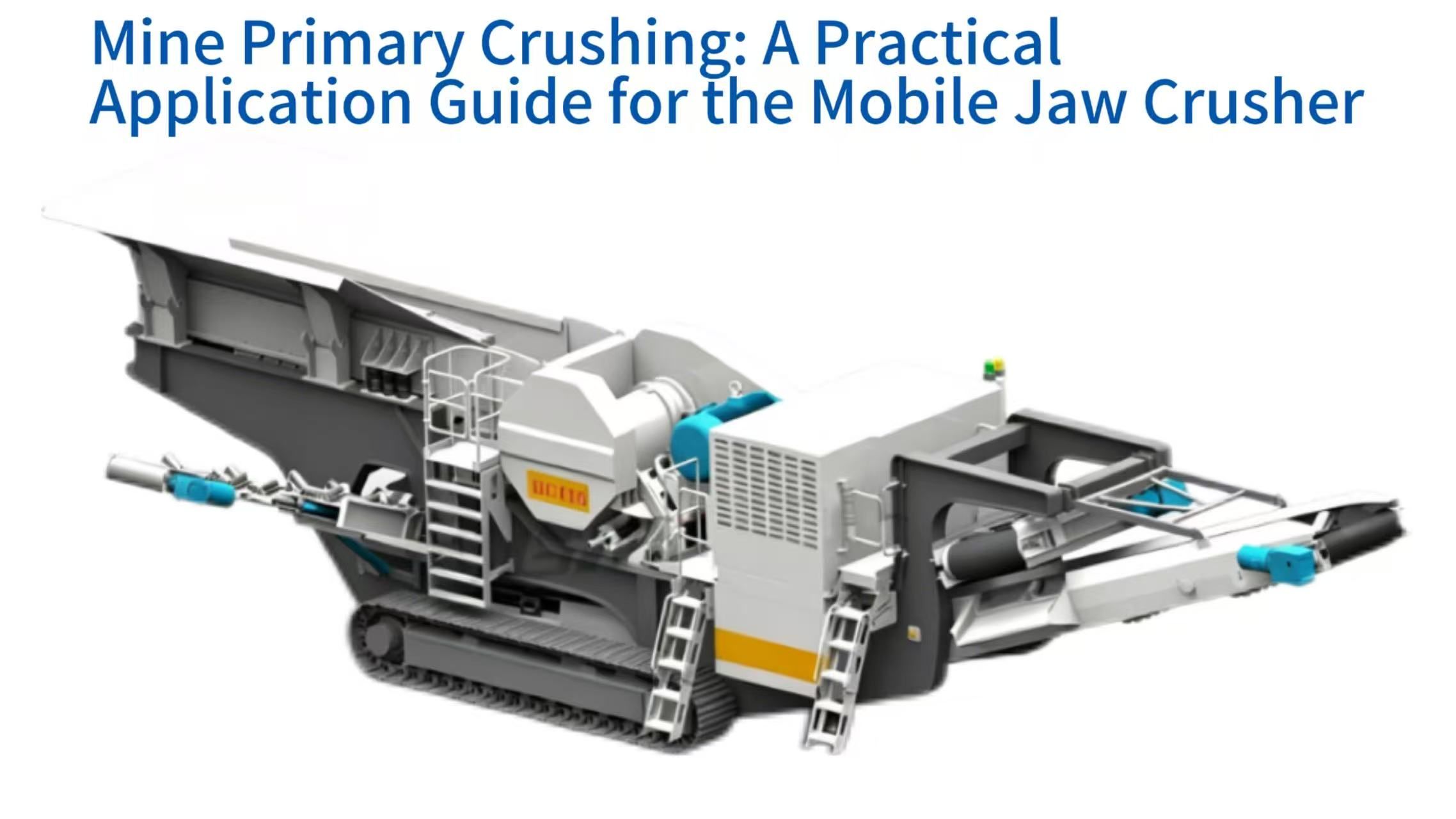
Primary crushing represents the first and most critical stage in the mine material processing chain. The efficiency of this initial step directly determines the productivity of all downstream operations. Traditional fixed jaw crushers have served this role for decades. However, these stationary machines present significant limitations for modern mining environments. They require extensive concrete foundations. They cannot easily relocate when the mining face advances. They demand long installation periods before any production begins. The mobile jaw crusher solves these problems by integrating the classic jaw crushing technology with a self propelled tracked or wheeled chassis. This combination creates a machine that moves directly to the ore source. It sets up in hours instead of weeks. It delivers the high energy crushing force needed to reduce run of mine material down to a manageable 150 millimeter size for secondary crushers. MSW Technology has spent 15 years refining the application of these mobile units in actual mine conditions. This guide draws from that field experience to cover the complete operational picture. You will learn the basic machine configuration. You will understand the technical working principles. You will follow a clear selection process for matching the machine to your specific ore body. The guide provides step by step operating procedures. It explains how different material types affect crusher performance. You will find daily maintenance schedules and troubleshooting methods. The final sections show how to control operating costs and calculate the return on your investment.
Understanding the Mobile Jaw Crusher as a Primary Crushing Tool for Mines
Mobile Jaw Crusher Core Components Flow
A mobile jaw crusher is not simply a small jaw crusher mounted on wheels. It is a complete processing system engineered for self contained operation. The machine includes a vibrating feeder with integrated prescreening. It contains the actual jaw crushing chamber with fixed and moving jaw plates. A discharge conveyor moves the crushed material away from the crusher footprint. The powerpack, either a diesel engine or an electric motor, supplies energy to all systems. The tracked or wheeled chassis provides mobility and operational stability. In the mine primary crushing role, this machine accepts blasted rock directly from the mine face. The feed material can be as large as 800 millimeters across for the largest models. The crushing action occurs when the moving jaw plate cycles toward the fixed plate. This motion compresses the rock with forces reaching 300 megapascals. The rock fractures along internal natural fault lines. The broken pieces fall by gravity to the open discharge zone at the bottom. The operator controls the final product size by adjusting the closed side setting between the two jaw plates. A tighter setting produces finer material but reduces throughput. A wider setting increases production rate but sends larger particles to the secondary crusher.
The fundamental difference between mobile and stationary jaw crushers lies in the foundation requirement. A stationary unit requires a reinforced concrete slab. This slab must support the full weight of the machine plus the dynamic crushing loads. Engineers spend weeks designing the foundation. Construction crews spend additional weeks pouring and curing the concrete. The stationary machine cannot move after installation. If the mining operation advances 500 meters away, haul trucks must cover that distance each cycle. A mobile jaw crusher requires no concrete foundation. The tracked undercarriage spreads the machine weight over a large contact area. The machine operates directly on compacted soil or a simple gravel pad. Setup from delivery to production takes one shift. When the mine face moves, a bulldozer pushes a path to the new location. The mobile crusher drives itself there at 3 kilometers per hour. It folds its conveyors, raises its tracks, and repositions without any crane assistance. This mobility eliminates the need for long haul roads from the face to a fixed crusher. The material handling distance drops from hundreds of meters to dozens of meters. Fuel consumption for haul trucks decreases proportionally. The mining and quarrying operation gains a level of flexibility that fixed equipment cannot match.
Defining the Mobile Jaw Crusher and Its Role in Mine Primary Crushing
The mobile jaw crusher serves one primary purpose in the mining sequence. It takes the irregular, blocky material that comes directly from blasting or excavation. It reduces this material to a consistent, transportable size. The output range of 100 to 200 millimeters suits the feed requirements of most secondary cone crushers or impact crushers. This size reduction is essential because downstream equipment cannot accept larger rocks. A cone crusher with a 50 millimeter feed opening will jam instantly if fed a 400 millimeter boulder. The mobile jaw crusher acts as the gatekeeper for the entire processing plant. Its robust construction allows it to handle the impact of falling boulders. Its heavy duty flywheels store energy to crush hard rocks without stalling. The deep crushing chamber accepts long, slabby pieces that would bridge across other crusher types. For these reasons, the jaw crusher configuration dominates the mobile primary crushing market for hard rock mines.
The machine's role extends beyond simple size reduction. It also provides surge capacity between the mine and the downstream plant. Mining operations do not produce material at a perfectly steady rate. A shovel might load three trucks in ten minutes then wait fifteen minutes for the next blast pile to be ready. A mobile jaw crusher positioned at the mine face absorbs these fluctuations. The crusher's feed hopper holds 10 to 15 tons of material as a buffer. When trucks arrive, they dump quickly and return to the shovel. The crusher processes the stockpiled material at its steady rate. This decoupling of mining and crushing improves the efficiency of both operations. The shovel never waits for the crusher to clear a jam. The crusher never stops because a truck is delayed. The mobile configuration allows the crusher to move closer to the active mining area as the pit expands. This keeps the haul distance short throughout the life of the mine.
Comparing Mobile Jaw Crushers With Traditional Fixed Units
Traditional fixed jaw crushers operate on a simple principle. The machine works well. It crushes rock efficiently. The problem is everything around the machine. A fixed unit requires a civil engineering project before the first rock breaks. The foundation must be engineered for the specific machine weight and crushing forces. The foundation must be isolated from the surrounding ground to prevent vibration transmission. This concrete work takes weeks and adds significant capital cost. The fixed machine also requires a permanent feed arrangement. A rock box or dump hopper must be built above the crusher. Trucks need a ramp to reach this elevated feed point. The discharge conveyor must be trenched into the ground or built on a raised structure. All of this fixed infrastructure represents sunk cost. If the mine plan changes, that infrastructure has no value. It cannot move to the new location. The mine either builds a duplicate system or hauls material further.
The mobile jaw crusher eliminates nearly all of this supporting infrastructure. The machine's feed hopper sits at ground level. Trucks back up to the hopper edge and dump directly. The hopper is integrated into the chassis, not a separate structure. The discharge conveyor is folded for transport and deployed on site. It deposits material into a mobile stockpile or directly into a secondary crusher. The machine's tracks provide both mobility and operational stability. When the machine is parked for crushing, hydraulic cylinders lower stabilizer pads. These pads transfer the crushing loads directly to the ground. The tracks themselves do not carry the dynamic crushing forces. This design allows the machine to operate on relatively soft ground without sinking. A simple pad of compacted gravel or crushed rock is sufficient. The capital cost difference between the two approaches is substantial. A fixed installation often spends 30 percent of the project budget on civil works. A mobile installation spends zero percent on permanent foundations.
Key Components of a Mobile Jaw Crusher and Their Functions
The jaw crusher chamber sits at the heart of the mobile machine. This chamber contains two vertical jaw plates. The fixed jaw plate is stationary. It mounts to the front frame of the crusher box. The movable jaw plate attaches to a pitman arm. The pitman moves in an elliptical cycle driven by the eccentric shaft and flywheels. The manganese steel plates have a corrugated profile. This profile helps grip the rock and pull it down into the crushing zone. As the movable jaw advances toward the fixed jaw, rock is compressed and fractured. As the jaw retreats, fractured pieces fall down. The chamber design includes a steep cavity angle to promote gravity flow. The closed side setting at the bottom determines the maximum product size. An adjustment device allows the operator to change this setting. Hydraulic wedges or shim plates push the fixed jaw plate forward or backward to open or close the gap.
The tracked mobile chassis supports the entire machine. This undercarriage uses a steel body with a hydraulic drive system. One hydraulic motor powers each track independently. The operator controls speed and direction with a single joystick. Counter rotating tracks allow the machine to turn within its own length. The track pads are either steel with bolt on rubber pads or all rubber. Steel tracks provide the best durability on sharp rock. Rubber tracks reduce ground damage when crossing paved surfaces. The track drive system includes a parking brake that engages automatically when the engine stops. The chassis also contains the fuel tank for diesel powered machines or the cable reel for electric powered units. The main frame above the tracks supports the crusher, feeder, and conveyors. This frame is fabricated from high strength low alloy steel. The design places the crusher low between the tracks for a stable center of gravity.
The vibrating feeder moves material from the hopper to the crusher. This feeder is a pan shaped steel trough. Two eccentric shafts with counterweights create a forward throwing motion. The vibration moves material along the pan at a controlled rate. The feeder speed is adjustable from the control panel. A slower speed provides a thinner material bed for easier crushing. A faster speed increases production but risks overloading the crusher. The feeder includes a grizzly section at the discharge end. This grizzly is a set of parallel steel bars with fixed gaps. Fine material smaller than the grizzly gap falls through the bars. This undersize material bypasses the crusher entirely. It lands directly on the discharge conveyor. Bypassing fine material reduces crusher wear and increases overall system capacity. The grizzly removes the fines that would otherwise pack into the crushing chamber and reduce efficiency.
The discharge conveyor receives the crushed material from the crusher discharge chute. This conveyor is a rubber belt running on steel idler rollers. The belt is troughed to hold a deep load of material. The conveyor drive motor is mounted at the head pulley. The conveyor angle is fixed on smaller machines and adjustable on larger units. An adjustable conveyor allows the operator to raise the discharge height for stockpiling. The conveyor also includes a belt scale on some models. This scale measures the weight of material passing per hour. The operator uses this data to adjust feeder speed and maintain optimal crusher loading. The conveyor belt is a wear item. It requires regular inspection for cuts and edge damage. A torn belt can stop production for a full shift while a repair crew vulcanizes a new section.
The power system on a mobile jaw crusher comes in two main configurations. Diesel direct drive uses a large diesel engine connected to the crusher through a clutch and belts. This is the simplest system. The engine also drives hydraulic pumps for the tracks and auxiliary functions. Diesel electric drive uses a diesel engine turning a generator. The generator produces electricity for electric motors. One electric motor drives the crusher. Separate motors drive the feeder and conveyors. This system allows variable speed control for each component. It also allows the machine to run on external electrical power if available. Plugging into grid power reduces fuel costs and engine maintenance. The control system monitors engine parameters, hydraulic pressures, and crusher load. It automatically reduces feed rate if the crusher approaches overload. This protection prevents costly damage from uncrushable material.
The Core Advantages of Mobile Jaw Crushers in Mine Primary Crushing
Mobility represents the single greatest advantage of this equipment class. A mobile jaw crusher moves freely around the mine site. It follows the active mining area as the pit expands. It relocates to new ore zones without requiring any site preparation. This mobility allows the crusher to stay within 100 meters of the working face. The haul distance for loading equipment drops to a minimum. Short hauls mean fewer trucks are needed. Less fuel is burned. Road maintenance costs decrease. The mobile unit also adapts to changing site conditions. When a section of the pit becomes muddy, the crusher moves to higher ground. When a new pit is opened, the crusher drives to the new location. This flexibility is impossible with any stationary crushing system.
Crushing efficiency in a mobile jaw crusher matches or exceeds stationary units of similar size. The jaw crushing action is simple and effective. The compressive force breaks rock along grain boundaries. This produces a cubical product with minimal fines. The hydraulic adjustment system allows quick changes to the closed side setting. The operator can switch from producing road base material to producing crusher feed in under five minutes. The deep crushing chamber accepts slabby material that would hang up in other crusher types. The flywheel system stores energy during the idle stroke. This stored energy releases during the crushing stroke. The result is a smooth power demand on the engine. The machine runs steadily without the power spikes that wear out other systems.
The impact resistance of a mobile jaw crusher exceeds that of any other mobile crusher type. The jaw chamber has no rotating parts in the crushing zone. Only the jaw plates themselves experience wear. These plates are thick cast manganese steel. They can withstand direct hits from falling boulders. The crusher frame is fabricated from heavy steel plate with internal reinforcement. The main bearings are oversized for the application. The eccentric shaft is forged from high alloy steel. This robust construction allows the mobile jaw crusher to accept the same feed size as a stationary unit. No other mobile crusher type offers this combination of feed opening size and impact resistance. For hard rock mines producing large boulders, the jaw crusher is the only practical mobile choice.
Operational convenience comes from the modern control system. The operator sits in an air conditioned cab or stands at a remote control console. The control screen shows real time data for engine load, crusher filling level, and production rate. The operator adjusts feeder speed with a single dial. The system logs all operating data for later analysis. Automated startup and shutdown sequences reduce operator workload. The machine performs a self check before starting the crusher. It confirms that all safety interlocks are closed. It warms up the engine at low idle before applying load. At shutdown, it runs the crusher empty before stopping. These automated features prevent operator errors that cause equipment damage.
Energy efficiency benefits from the direct drive configuration. The diesel engine connects directly to the crusher through a fluid coupling. There are no hydraulic losses in the main power path. The engine runs at a constant speed near its peak torque curve. This is the most fuel efficient operating point. The hydraulic system for the tracks and auxiliaries draws power from the same engine. A variable displacement pump only draws the power needed for those functions. When the machine is parked and crushing, the track pump unloads to near zero power draw. The result is fuel consumption of 20 to 35 liters per hour for a 300 ton per hour machine. This efficiency makes diesel power practical even at remote sites where fuel delivery adds to the cost.
Technical Principles of the Mobile Jaw Crusher for Primary Crushing
The crushing principle of a jaw crusher is pure compression. Two vertical plates face each other with a gap at the bottom. The moving jaw plate cycles toward and away from the fixed plate. Rock enters the top of the chamber. The moving jaw advances, compressing the rock against the fixed jaw. The compressive stress exceeds the rock's compressive strength. The rock fractures. The moving jaw retreats. The fractured pieces fall lower into the chamber. The cycle repeats many times per second. Each stroke break
Compression Crushing Working Principle
s the rock into smaller fragments. The process continues until the pieces are small enough to pass through the bottom gap. This crushing action is fundamentally different from impact or shear crushers. Compression crushing produces less fine dust. It generates fewer microcracks in the product. The output material has a consistent shape and strength.
The physics behind this process involves the rock's natural fracture behavior. Most rocks are strong in compression but weak in tension. A jaw crusher creates tensile stresses inside the rock by compressing it between two plates. The rock tries to expand sideways as it is compressed. This sideways expansion creates tension inside the rock. The tension exceeds the rock's tensile strength long before the compressive strength is reached. The rock fractures from the inside out. This explains why a jaw crusher uses less energy than an impact crusher for the same reduction. The jaw crusher lets the rock break itself. The impact crusher must smash the rock with brute force. The energy efficiency difference becomes significant at large production scales. A jaw crusher uses roughly half the energy per ton of a primary impact crusher for hard rock applications.
The Compression Crushing Mechanism and Hard Rock Adaptation
The compression crushing mechanism begins with the rock entering the chamber throat. The rock's size determines how far it falls before contacting both plates. A large boulder contacts the plates near the top of the chamber. The moving jaw advances slowly at first because the eccentric shaft is at the bottom of its rotation. As the shaft rotates, the pitman moves upward and forward. The crushing force increases gradually. This gradual application allows the rock to shift position if needed. A sharp impact would simply bounce the rock. The gradual squeeze positions the rock optimally for fracture. When the peak force is reached, the rock fractures along its weakest plane. The broken pieces fall down. The moving jaw retreats, allowing the next piece to settle into the crushing zone. This cycle repeats 250 to 300 times per minute depending on the crusher speed.
Hard rock adaptation requires specific design features. The jaw plates must be manganese steel with a high work hardening rate. Manganese steel starts relatively soft. Each impact from a hard rock causes the surface to harden. The hardened surface resists further wear. The wearing process continuously exposes fresh soft metal underneath. This soft metal work hardens in turn. The result is a self renewing wear surface. The jaw plate profile also matters for hard rock. A corrugated profile with deep valleys and sharp peaks provides the best grip. The peaks penetrate the rock surface slightly. This prevents the rock from sliding up the plate during compression. The deep valleys provide space for fines to escape. Without this space, fines pack between the rock and the plate. Packed fines reduce the effective crushing force.
Power Transmission System Design for Uninterrupted Mine Operation
The power transmission system on a mobile jaw crusher must survive continuous high loads. The diesel engine or electric motor produces rotational power. This power flows through a fluid coupling or clutch to the V belt drive. The V belts transfer power to the flywheel. The flywheel stores rotational energy. The energy storage function is critical because the crushing load is not constant. The load spikes when a large rock fractures. The load drops to near zero after the fracture. The flywheel absorbs energy during the low load period. It releases energy during the high load spike. This smoothing effect allows the engine to run at a steady load. The engine never sees the crushing spikes. This extends engine life by eliminating thermal shock from sudden load changes.
The dual power option provides operational flexibility. Diesel power offers complete independence. The machine works anywhere fuel can be delivered. No power lines or generators are required. The diesel engine also provides waste heat for cold weather operation. The engine coolant can be circulated to warm the hydraulic oil. This allows operation in freezing temperatures. Electric power offers lower operating costs where grid power is available. The electric motor is simpler and more reliable than a diesel engine. No fuel storage or handling is required. The electric motor produces no exhaust emissions. The control system automatically manages the change between power sources. The operator selects the power source from the control panel. The system checks that all connections are secure before transferring load.
Size Control Technology and Adjustment Methods for Product Consistency
The discharge size from a jaw crusher is controlled by the closed side setting. This is the minimum gap between the jaw plates at the bottom of the chamber. A hydraulic wedge system adjusts this gap. The operator pushes a button on the control panel. Hydraulic cylinders move wedges between the fixed jaw plate and its backing plate. Moving the wedges inward pushes the fixed jaw forward, closing the gap. Moving the wedges outward allows the fixed jaw to move back, opening the gap. The system includes a digital readout of the current setting. The operator can change the setting while the crusher is running empty. This allows product size changes without stopping production.
The product size consistency depends on maintaining a consistent closed side setting under load. Crushing forces try to push the jaw plates apart. The adjustment system must resist this spreading force. Hydraulic cylinders maintain constant pressure on the wedges. If a piece of uncrushable material enters the chamber, the hydraulic pressure spikes. A relief valve opens. The wedges release, allowing the fixed jaw to move back. The uncrushable object passes through. The hydraulic system then returns the wedges to their original position. This automatic reset feature prevents damage from tramp iron or over sized rock. Without this feature, a single piece of steel in the feed could break the crusher frame.
Chassis Drive Principles and Rough Terrain Adaptation
The tracked chassis uses a hydrostatic drive system. A variable displacement hydraulic pump supplies oil to two hydraulic motors. One motor drives each track. The pump swash plate angle controls the flow rate. More flow means faster track speed. The pump can reverse the flow direction for reverse travel. The operator controls speed and direction with a single joystick. Pushing forward increases forward speed. Pulling back increases reverse speed. Twisting the joystick left or right creates a speed difference between the left and right tracks. A full twist makes the tracks counter rotate for a zero radius turn. This simple control system allows precise maneuvering in tight spaces.
Terrain adaptation comes from the track design and chassis geometry. The track frames oscillate relative to the main chassis. This oscillation keeps both tracks on the ground even on uneven terrain. The track tension is automatically maintained by hydraulic cylinders. The cylinders absorb impacts from rocks and maintain constant track tension. The ground clearance under the chassis is 400 to 600 millimeters. This clearance allows the machine to drive over small boulders without high centering. The approach angle at the front of the tracks is 25 degrees. The departure angle at the rear is 20 degrees. These angles allow the machine to climb onto ledges and drive off without scraping the chassis. The combination of these features lets the mobile jaw crusher go places that would stop a wheeled machine completely.
Model Selection Guide for Mobile Jaw Crushers in Mine Primary Crushing
Selecting the correct mobile jaw crusher model requires matching machine capabilities to site conditions. The first step is determining the required production rate. This rate comes from the mine plan. How many tons per hour must be crushed to feed the downstream plant? The answer determines the size class of the crusher. Small mobile jaw crushers produce 100 to 200 tons per hour. Medium models produce 200 to 400 tons per hour. Large models produce 400 to 800 tons per hour. Choosing a crusher that is too large w
Mobile Jaw Crusher Model Selection Data & Flow
| Crusher Type | Weight(t) | Capacity(t/h) | Max Feed Size(mm) | Application |
|---|---|---|---|---|
| Small | <30 | 100-150 | ≤500 | Small Mines/Pilot Plants |
| Medium | 30-60 | 200-400 | ≤650 | Standard Mining |
| Large | >60 | 400-800 | ≤800 | Large Scale Mines |
astes capital and fuel. Choosing a crusher that is too small creates a production bottleneck. The second step is evaluating the feed material. What is the maximum rock size from blasting? What is the rock's compressive strength? A crusher with a 1000 by 700 millimeter feed opening cannot accept a 900 millimeter boulder. The rock must be reduced before feeding or a larger crusher is needed.
The third selection step examines the site conditions. What is the terrain like? Steep slopes require a tracked machine with good climbing ability. Wet ground requires low ground pressure tracks. Narrow access roads require a compact machine width. The distance between the mine face and the crusher location determines how often the machine will move. Frequent moves favor a machine with fast setup and teardown. The availability of electrical power matters. Grid power allows the use of an electric drive machine. No grid power forces the use of a diesel powered unit. The final step considers the downstream equipment. What crusher or screen receives the jaw crusher output? The jaw crusher's discharge size must match the feed requirements of the next machine. A cone crusher with a 100 millimeter maximum feed needs a jaw crusher closed side setting of 100 millimeters or less.
Core Selection Principles and Common Mistake Avoidance
The core selection principle is to prioritize the physical constraints of the site. Many buyers start by comparing production rates. This is a mistake. A high production rate means nothing if the machine cannot reach the site. Start with the transport route. Measure the narrowest point. Measure the lowest bridge. Measure the weight limit of any bridges. The machine must fit through these constraints. Next, evaluate the ground conditions at the crusher location. Soft ground requires a tracked machine with wide tracks. Hard, rocky ground allows a wheeled machine. The machine must be able to park and operate without sinking. After confirming these physical requirements, then consider production rate. A machine that fits the site and meets 80 percent of the production target is better than a machine that meets 100 percent of the target but cannot be delivered.
Common mistakes include ignoring the feed size requirement. A mobile jaw crusher has a maximum feed opening. This opening is smaller than the equivalent stationary crusher due to transport constraints. Some buyers assume the mobile unit can accept the same size rock as a stationary unit of the same model number. This is not true. The mobile unit's feed hopper and feed opening are smaller. Check the specification carefully. Another mistake is ignoring the discharge conveyor. The conveyor must be long enough to build a stockpile or reach the next machine. A short conveyor forces frequent moving of the stockpile loader. This adds labor and fuel cost. A third mistake is ignoring the maintenance access. A machine that requires special tools for routine service is a problem at a remote mine. Choose a machine with standard bolt sizes and simple service procedures.
Key Factors in Selection: Production Rate, Material Properties, Site Conditions
Production rate is the most visible selection factor but not the most important. The rate must match the mine's output. A mine producing 500 tons per hour needs a crusher rated for at least 500 tons per hour. However, the rating must be realistic. Many manufacturers rate their crushers at the maximum possible setting with ideal material. The actual production rate will be lower. A safety factor of 25 percent is wise. Choose a crusher rated for 625 tons per hour for a 500 ton per hour requirement. This safety factor allows for harder rock, wetter material, and operator inexperience. The crusher will not be running at its limit continuously. This extends component life and reduces breakdowns.
Material properties determine the crusher's wear life and power consumption. Hard rock with compressive strength over 250 megapascals wears jaw plates quickly. The mine must budget for frequent liner changes. Abrasive rock with high silica content also causes rapid wear. The jaw plate material must be matched to the rock. High manganese steel works well for hard, non abrasive rock. Chrome iron or bi metal plates work better for highly abrasive rock. The moisture content matters too. Wet rock sticks to the jaw plates. This reduces the effective feed opening and can cause bridging. A crusher used for wet material needs a higher discharge setting to prevent packing. The moisture also accelerates rusting of the discharge conveyor frame. Stainless steel or special coatings may be needed.
Site conditions include terrain, climate, and available support. The terrain determines the track type. Steep slopes over 15 degrees require a tracked machine with a low center of gravity. The machine must have enough tractive effort to climb the slope with a full hopper. The climate matters for engine selection. Cold climates need diesel engines with cold start aids. Hot climates need larger cooling packages. The available support includes spare parts availability and technical expertise. A remote mine with limited mechanics needs a simple machine with common components. A mine near a dealer can use a more sophisticated machine. The dealer's service response time should be part of the selection criteria. A machine from a dealer 500 kilometers away will have longer downtime than a machine from a dealer 100 kilometers away.
Common Mobile Jaw Crusher Types and Their Application Scenarios
Tracked mobile jaw crushers are the standard for hard rock mining. The tracks provide excellent traction on loose surfaces. They distribute the machine weight over a large area. This prevents sinking into soft ground. The tracked machine climbs slopes that would stop a wheeled unit. The main disadvantage is transport speed. A tracked machine moves between sites at 3 kilometers per hour. This is acceptable for moving around a mine site. It is not acceptable for moving between mines 50 kilometers apart. For single site operations, the tracked machine is the best choice. For contractors who move between sites weekly, the transport time matters more.
Wheeled mobile jaw crushers use a wheeled chassis with a separate towing unit. These machines travel on public roads at highway speeds. A wheeled unit can move 100 kilometers between sites in two hours. A tracked unit would take over 30 hours for the same move. The wheeled machine requires a prepared road at the destination. The ground must be firm and relatively flat. Soft ground will trap the wheels. The wheeled machine also requires a towing vehicle. This vehicle must be large enough to pull the crusher weight. The towing vehicle adds to the capital cost. For multi site contractors working on firm ground, the wheeled machine offers lower transport costs. For single site mining, the tracked machine offers better on site mobility.
Small mobile jaw crushers are those under 30 tons operating weight. These machines produce up to 150 tons per hour. They fit in a standard shipping container. They can be transported on a single flatbed truck. The small size allows access to narrow mine adits and confined spaces. These machines work well for small mines, exploration projects, and pilot plants. The small crusher also works as a secondary unit in larger operations. It can be positioned at a stockpile to recrush oversize material. The small machine has lower wear part costs than larger units. This makes it economical for lower tonnage applications where a large crusher would be underutilized.
Large mobile jaw crushers weigh over 60 tons. They produce 400 to 800 tons per hour. These machines require heavy haul transport. The transport requires special permits and escort vehicles. The large machine needs a substantial working area. The feed loader must be a large wheel loader or excavator. The discharge conveyor must be long enough to clear the machine tracks. These large units work in major mining operations with sustained high production rates. The capital cost is high, but the cost per ton is low. A large mine processing 5 million tons per year needs this class of machine. The savings in labor and fuel outweigh the higher initial investment.
Machine Commissioning Steps After Final Selection
Machine commissioning begins with a physical inspection. The dealer delivers the machine to the site. The buyer inspects for shipping damage. Every hose, fitting, and electrical connection is checked. The hydraulic oil level is verified. The engine oil and coolant levels are checked. The tracks are inspected for proper tension. The jaw plates are checked for correct installation. The feed hopper folding mechanism is cycled. The discharge conveyor is deployed. This inspection takes two hours for an experienced mechanic. Rushing the inspection leads to missed problems. A loose hydraulic fitting will leak oil. A loose electrical connection will cause intermittent faults. The inspection time is well spent.
The next step is a no load test run. The engine is started and allowed to warm up. The hydraulic system is cycled to purge air. The tracks are moved forward and backward. The feeder is run empty. The crusher is run empty. The operator listens for unusual noises. The temperature of each bearing is checked with an infrared thermometer. The vibration levels of the crusher are checked. Any unusual heat or vibration is investigated. The no load run lasts 30 minutes. After the no load run, a light load test begins. Small material is fed to the crusher. The product size is checked. The closed side setting is adjusted as needed. The load is gradually increased over two hours. This gradual loading allows all components to reach thermal equilibrium slowly. Thermal shock from sudden full loading can crack welds or break bearings.
The final commissioning step is operator training. The dealer provides a trainer for one or two days. The operator learns the control system. They practice starting and stopping the machine. They learn how to adjust the closed side setting. They practice moving the machine around the site. They learn the daily inspection points. The trainer covers emergency procedures. What to do if the machine catches fire. How to manually release the brakes for towing. How to clear a jammed crusher safely. The operator signs off on the training. This training record is kept for insurance purposes. A well trained operator will get more production and longer life from the machine than any other factor.
Practical Operation Procedures for the Mobile Jaw Crusher in a Mine
Standard Operating Procedure Steps
The operation of a mobile jaw crusher follows a standard sequence. This sequence starts with the pre shift inspection. The operator walks around the machine. They check for oil leaks under the engine and hydraulic components. They check the track tension. They inspect the jaw plates for wear or cracking. They check the feeder grizzly for broken bars. They inspect the discharge conveyor belt for cuts or edge wear. They verify that all safety guards are in place. The inspection takes 15 minutes. The operator records any findings in a log. Problems found during inspection are fixed before startup. Operating a machine with known defects leads to larger failures.
The startup sequence begins with the engine start. The operator sits in the cab or stands at the control panel. The key is turned to the on position. The preheat cycle activates if the engine is cold. The operator waits for the preheat light to turn off. The engine is cranked. It should start within five seconds of cranking. The engine is allowed to warm up at low idle. The warm up time depends on the ambient temperature. In summer, three minutes is enough. In winter, ten minutes may be needed. The operator watches the coolant temperature gauge. When the temperature reaches 40 degrees Celsius, the machine is ready. The operator engages the hydraulic system. The feeder and conveyor are started. The crusher is started last. The machine is now ready to receive material.
Production operation requires constant attention. The operator watches the crusher load meter. The load should be between 75 and 90 percent of maximum. A lower load means the crusher is underfed. The operator increases the feeder speed. A higher load means the crusher is overloaded. The operator decreases the feeder speed. The operator also watches the product size. Samples are taken from the discharge conveyor every hour. The sample is screened to check the top size. If the top size is too large, the closed side setting is reduced. If the top size is too small, the setting can be increased for higher production. The operator also listens for unusual sounds. A rhythmic knocking sound indicates a loose jaw plate. A high pitched squeal indicates a bearing problem. Any unusual sound is investigated immediately.
The shutdown sequence reverses the startup order. The feeder is stopped first. No new material enters the crusher. The crusher continues running to clear the chamber. The operator watches the crusher load meter. The load drops to zero as the last material is crushed. The crusher is then stopped. The conveyor runs until it is empty. The engine is run at low idle for a cooling period. Five minutes of low idle allows the turbocharger to cool. The engine is then stopped. The operator performs a post shift inspection. The same items as the pre shift inspection are checked again. New problems found after the shift are noted for repair before the next shift. The machine is left clean and ready for the next operator.
Pre Startup Preparation and Safety Inspection Steps
The preparation for startup begins the day before. The fuel tank is filled at the end of each shift. A full tank prevents condensation. Condensation water in diesel fuel causes injector failure. The hydraulic oil level is checked. The engine oil level is checked. The coolant level is checked. Any low fluid is topped up. The log book from the previous shift is reviewed. Any outstanding problems are addressed. The maintenance schedule is checked. If a service is due, it is performed before startup. Running a machine past its service interval voids warranties and causes premature wear. The service interval for a mobile jaw crusher is typically 250 hours for oil changes and 500 hours for comprehensive service.
The safety inspection covers all guards and emergency systems. The belt guard over the drive belts is checked for secure mounting. A loose guard can fall into the belts. The resulting belt failure stops production. The emergency stop buttons are tested. Each button is pressed. The machine must shut down immediately. The buttons are then reset. The fire suppression system is checked. The pressure gauge on the suppression cylinder must show green. The nozzles are inspected for blockage. The manual activation pull cords are checked for free movement. The backup fire extinguisher is checked. The gauge must show full pressure. The safety chains on the feed hopper folding mechanism are checked. These chains prevent the hopper from falling if the hydraulics fail. A missing safety chain is a serious hazard.
The work area is inspected before moving the machine. The ground where the machine will park is checked for stability. Soft spots are marked and avoided. The path from the current position to the work area is checked for obstacles. Large rocks that could damage the undercarriage are moved. Overhead power lines are noted. The machine's maximum height with the hopper raised is known. The operator ensures there is clearance. The dump area for haul trucks is marked. The trucks need a level spot to back up to the feed hopper. The dump area must be stable enough to support a loaded truck. The operator coordinates with the truck drivers on the dumping procedure. A clear communication system using radios or hand signals is established.
Startup Procedure and Parameter Setting Techniques
The startup procedure follows a strict sequence. The operator enters the cab and locks the door. The seat belt is fastened. The control panel is powered on. The display screen shows all system status indicators. The operator checks that the emergency stop is reset. The key is turned to the on position. The engine preheat cycle activates automatically if needed. The operator waits for the preheat light to turn off. The engine is started. The oil pressure gauge must show pressure within five seconds. The operator watches the gauge. No oil pressure means an immediate shutdown. The engine runs at low idle for warm up. The operator does not increase engine speed until the coolant temperature reaches 40 degrees.
Parameter setting begins after warm up. The operator selects the desired closed side setting on the touch screen. The hydraulic adjustment system moves the jaw plate to that setting. The operator verifies the setting by measuring the gap with a lead ball or laser tool. The feeder speed is set based on the desired production rate. A higher feeder speed gives more production but risks overloading the crusher. A lower feeder speed gives smoother operation but lower output. The operator starts with a conservative setting. The crusher load meter guides adjustments. The operator increases feeder speed until the crusher load reaches 75 percent. This is the optimal operating point. The operator saves these settings in the control system memory. One button recall allows the same settings to be used tomorrow.
The parameter setting also includes the track drive calibration. The operator moves the machine to a flat area. The left and right tracks are driven forward at full speed. The machine should track straight. If it pulls to one side, the track drive calibration is adjusted. The calibration procedure is in the control system menu. The operator follows the on screen instructions. The calibration takes two minutes. After calibration, the machine tracks straight. This is important for moving the machine safely on narrow roads. A machine that pulls to one side is tiring to drive and increases the risk of hitting obstacles. The calibration is checked monthly or after any track drive repair.
Operating Standards and Safety Rules During Production
The operator remains in the cab at all times during production. Leaving the cab while the crusher is running is prohibited. The operator's full attention is on the machine. No phones or other distractions are allowed. The operator watches the crusher load meter continuously. A sudden drop in load means the feeder has run out of material. A sudden spike in load means a large piece has entered. The operator is ready to reduce feeder speed if the load approaches 100 percent. The operator also watches the camera views. A camera shows the feed hopper level. Another camera shows the discharge conveyor. The operator knows when to signal for more trucks and when to warn of a buildup under the conveyor.
The safety rules for truck dumping are strict. The truck driver sounds the horn before approaching the hopper. The operator acknowledges with a hand signal or radio. The truck backs up slowly. A spotter is used if the operator cannot see the truck's rear. The truck dumps only when the hopper is not full. Dumping into a full hopper causes material to spill over the sides. Spilled material must be cleaned up by a loader. This costs time and money. The truck driver watches the tailgate as it rises. If material hangs up, the driver rocks the truck forward and backward. No person is allowed to approach the truck to poke stuck material. That is a deadly hazard. Stuck material is left or the truck drives to a designated cleaning area.
The operating standards for the crusher include the maximum feed size. The operator checks each truckload visually. Any rock larger than 80 percent of the feed opening is rejected. The truck dumps that rock in a separate stockpile. A hydraulic breaker reduces the oversize rock. Only then is it fed to the crusher. Feeding oversize rock damages the crusher frame. The jaw plates can break. The eccentric shaft can bend. The repair cost for these failures is tens of thousands of dollars. The operator also watches for tramp metal. A piece of steel from a broken tooth or a worn out drill bit will destroy the jaw plates. The metal will also damage the pitman. The magnetic separator or metal detector is used to remove tramp metal before it enters the crusher.
Shutdown Sequence and Post Operation Cleaning Procedures
The shutdown sequence begins when the last truck of material has been dumped. The operator stops the feeder. The crusher continues running. The operator watches the crusher load meter. The load drops as the chamber empties. This takes one to three minutes depending on the chamber size. When the load reaches zero, the operator stops the crusher. The discharge conveyor runs for another minute to clear any material. The operator then stops the conveyor. The engine runs at low idle for a cooling period. Five minutes is the minimum. The operator watches the coolant temperature gauge. The temperature should drop below 80 degrees before stopping. Stopping a hot engine causes heat soak. The heat transfers to the turbocharger bearings. The oil in the bearings cokes up. The turbocharger fails prematurely.
The post operation cleaning procedure starts with the machine exterior. The operator uses a pressure washer to remove mud and dust. The radiator and oil cooler fins are cleaned first. Clogged fins reduce cooling capacity. The engine overheats. The undercarriage is cleaned next. Mud packed around the tracks adds weight and accelerates wear. The track sprockets and idlers are washed thoroughly. The operator wears safety glasses during washing. High pressure water can bounce back with debris. The feed hopper is washed out. Wet material left in the hopper will freeze overnight in cold weather. Frozen material is difficult to remove. The discharge conveyor belt is washed. Material stuck to the belt will track back under the conveyor and build up.
The final step is the post shift inspection. The operator walks around the machine. The same items as the pre shift inspection are checked. The jaw plates are inspected for wear. A worn plate loses its corrugated profile. The crusher efficiency drops. The operator measures the wear with a gauge. The measurement is recorded. The operator knows when the plates need changing. The track tension is checked again. Tracks often loosen during operation as the undercarriage warms up. The operator adjusts the tension if needed. The hydraulic oil level is checked. Any leaks are noted. The operator completes the log book. The log book records hours, production tons, fuel used, and any problems. This log book is the maintenance history of the machine. A complete log book adds value when the machine is sold.
Material Handling and Adaptation Strategies for the Mobile Jaw Crusher
Material Adaptation Parameters
| Material Type | Compressive Strength(MPa) | Jaw Plate Life(h) | CSS Setting(mm) | Power Requirement(HP) |
|---|---|---|---|---|
| Limestone | 50-150 | 2000+ | 100-150 | 300 |
| Granite | 150-250 | 500-1000 | 150-200 | 400 |
| Iron Ore | >250 | 300 | 150-200 | 450+ |
The mobile jaw crusher must handle a wide range of materials in a mine. The material changes as the mine works through different ore zones. One week the feed is soft oxidized ore. The next week the feed is hard fresh rock. The crusher must adapt to these changes. The operator adjusts the crusher parameters based on the material. Hard material needs a slower feeder speed and a wider closed side setting. Soft material allows faster feeding and a tighter setting for finer product. The jaw plate material also matters. A set of plates that works well on hard, non abrasive rock will wear quickly on soft, abrasive rock. The mine should stock different plate metallurgies. The plates are changed to match the current material. This optimization reduces cost per ton.
The moisture content of the material affects crusher operation significantly. Dry material flows freely through the crusher. The fines are easy to handle. Wet material causes problems. The fines stick to the jaw plates. The sticky fines build up in the crushing chamber. The effective feed opening shrinks. The crusher capacity drops. Wet material also sticks to the feeder grizzly. The grizzly bars become clogged. The fines cannot fall through. They pass through the crusher instead of bypassing it. This increases wear on the jaw plates. The solution is to reduce the moisture content before feeding. Stockpiling the material for a few days allows drainage. Adding dry material to wet material helps too. The operator can also open the closed side setting. A wider setting reduces the packing effect.
The feed size distribution affects crusher performance. A well graded feed has a mix of large, medium, and small rocks. The small rocks fill the spaces between the large rocks. The large rocks transmit the crushing force to the small rocks. This inter particle crushing is efficient. The crusher uses less energy per ton. A poorly graded feed has all large rocks or all small rocks. All large rocks create high impact loads. The crusher works harder. All small rocks cause the chamber to pack. The material cannot move down. The crusher stalls. The operator can improve the feed gradation by blending material from different sources. A loader can mix coarse and fine stockpiles before feeding. This simple step can increase crusher throughput by 20 percent with no change to the machine.
Common Mine Materials and Mobile Jaw Crusher Adaptability
Granite is a common hard rock in many mines. Its compressive strength ranges from 150 to 250 megapascals. Granite is abrasive due to its quartz content. A mobile jaw crusher handles granite well. The manganese steel jaw plates work harden under the impact of the hard rock. The wear rate is moderate. A set of plates lasts 500 to 1000 hours in granite depending on the feed size. The crusher power draw is high when crushing granite. The engine must be sized for the load. A 300 ton per hour granite application needs a 400 horsepower engine. The closed side setting for granite primary crushing is typically 150 to 200 millimeters. This setting produces a product that feeds well to secondary cone crushers. The granite product has a cubical shape with minimal fines.
Limestone is a softer rock with compressive strength of 50 to 150 megapascals. Limestone is less abrasive than granite. The jaw plate wear rate is low. A set of plates may last 2000 hours or more. The crusher power draw is lower for limestone. A 300 ton per hour limestone application needs a 300 horsepower engine. The closed side setting can be tighter. A 100 millimeter setting is common. This produces a finer product directly from the primary crusher. Some limestone operations use a mobile jaw crusher as the only crusher. The product is screened. Oversize is returned to the crusher. This closed circuit arrangement works well because the limestone is soft enough for the jaw crusher to handle the recirculating load. The limestone product has good shape for construction aggregate.
Iron ore presents unique challenges. The material is hard with compressive strength over 250 megapascals. Iron ore is also very dense. A cubic meter of iron ore weighs 3 to 4 tons. The crusher's feed hopper and conveyor must be sized for this weight. The crusher power draw is high. The jaw plates wear quickly on iron ore. A set of plates may last only 300 hours. The high density material also creates high impact loads on the feeder. The feeder grizzly bars need to be extra heavy duty. The closed side setting for iron ore primary crushing is typically 150 to 200 millimeters. This product feeds to secondary crushers that further reduce the size for grinding mills. Despite the high wear, the mobile jaw crusher is popular in iron ore. The ability to move the crusher as the pit expands is valuable.
Parameter Adjustment Techniques for Different Material Types
The feeder speed is the first parameter to adjust for different materials. Hard material requires a slower feeder speed. The crusher needs time to break each rock. Feeding too fast packs the chamber. The material cannot move down. The crusher stalls. Soft material allows a faster feeder speed. The crusher breaks the rock quickly. The material flows through. The operator watches the crusher load meter. The target load is 75 percent. The operator increases feeder speed until the load reaches 75 percent. If the load goes over 80 percent, the operator reduces speed. This feedback loop is continuous. The operator adjusts the feeder speed multiple times per shift as the material changes.
The closed side setting is the second parameter. Hard material needs a wider setting. A wider setting reduces the reduction ratio. The crusher does less work per ton. The product is coarser. The secondary crusher must handle more reduction. Soft material allows a tighter setting. The crusher does more work per ton. The product is finer. The secondary crusher has less work. The operator changes the setting based on the downstream requirements. The setting is also changed based on wear. As the jaw plates wear, the effective closed side setting increases. The operator compensates by moving the fixed jaw plate forward. The adjustment system makes this easy. The operator enters the desired setting on the touch screen. The machine does the rest.
The engine speed is fixed on most mobile jaw crushers. The engine runs at 1800 to 2100 rpm. This is the peak torque speed. However, some machines have variable engine speed. The operator can reduce engine speed for soft material. Lower speed reduces fuel consumption. The operator can increase engine speed for hard material. Higher speed gives more crushing strokes per minute. The production rate increases. The operator must be careful. Running the engine above its rated speed causes damage. The manufacturer's specification for maximum speed is followed strictly. The variable speed feature is not available on all machines. The operator checks the manual before changing engine speed.
Solving Common Material Related Problems in the Crushing Process
Chamber packing is a common problem with wet or fine material. The material fills the crushing chamber. It cannot move down. The crusher load goes to 100 percent. The engine labors. The belts may slip. The operator stops the feeder immediately. The crusher continues running. The hope is that the material will eventually work its way down. If not, the crusher must be stopped. The chamber is cleaned out manually. This is dangerous work. Lockout tagout procedures are followed. The operator enters the chamber with a bar to break up the packed material. The best solution is prevention. The operator avoids feeding wet, fine material. The grizzly bypass is used to remove fines before the crusher. The closed side setting is opened to reduce packing.
Bridging is another common problem. A long, slabby rock gets stuck across the feed opening. It spans from one jaw plate to the other. The rock is too long to fall into the chamber. The next rock cannot enter. The feeder fills up. The operator stops the feeder. The rock must be broken or pulled out. A hydraulic breaker is the safest tool. The operator breaks the rock from outside the feed opening. No person enters the hopper. The broken pieces fall into the chamber. The crusher resumes. Bridging is prevented by controlling the feed shape. Slabby rocks are rejected at the truck dump. They are broken before feeding. The feeder grizzly can also be modified. Adding a rock breaker bar across the feed opening prevents bridging.
Uneven product size is a sign of worn jaw plates or incorrect setting. The operator checks the closed side setting. It may have drifted due to hydraulic leakage. The operator resets it. The product size is checked again. If still uneven, the jaw plates are inspected. A worn plate has a smooth surface. The corrugations are gone. The plate cannot grip the rock. The rock slides instead of breaking. The result is a mix of fines and large pieces. The operator measures the plate wear. The measurement is compared to the replacement specification. Worn plates are changed. New plates restore the product uniformity. The operator also checks the plate mounting. Loose plates shift during crushing. This changes the effective setting unevenly across the chamber width.
Pre Treatment and Post Treatment Material Handling Techniques
Pre treatment of feed material starts at the blast design. The blast should produce a well graded feed. Too many large rocks cause bridging. Too many fines cause packing. The blast designer adjusts the drill pattern and explosive loading. The goal is a feed where 80 percent of the material passes the crusher's feed opening. The remaining 20 percent may be oversized. This oversize material is handled separately. A hydraulic breaker at the dump point reduces the oversize. The operator breaks each oversized rock before it enters the feeder. This one by one reduction is effective. The alternative is a grizzly with a rock breaker. The grizzly separates oversize. The breaker reduces it. This system handles higher volumes but costs more.
Post treatment of the crushed product depends on the downstream process. The product may go directly to a secondary crusher. The mobile jaw crusher discharges onto a transfer conveyor. The transfer conveyor feeds a mobile cone crusher. This two machine train processes the material in one pass. The product may go to a screen. The screen separates the material into different size fractions. Oversize from the screen returns to the jaw crusher. This closed circuit produces a precise product size. The recirculating conveyor is part of the mobile screen. The jaw crusher accepts the recirculating load. The closed circuit increases the jaw crusher's effective reduction ratio. The product quality is high. The downside is lower overall throughput. The recirculating material takes up capacity that could be used for new feed.
The product stockpile management is important. The discharge conveyor builds a conical stockpile. The operator moves the crusher periodically to build multiple stockpiles. Each stockpile holds one shift of production. The loader reclaims material from the stockpile. The loader does not drive over the stockpile. Driving over the stockpile compacts the material. Compacted material is difficult to reclaim. The loader works from the face of the stockpile. The operator positions the crusher so the discharge conveyor points away from the working area. This keeps the stockpile separate from traffic. The stockpile base is on firm, drained ground. Soft ground under a stockpile leads to contamination. The loader picks up mud mixed with the crushed rock. This mud causes problems in downstream equipment.
Daily Maintenance and Troubleshooting Guide for the Mobile Jaw Crusher
Maintenance Schedule Flow
(15min)
(60min)
(4h)
Maintenance on a mobile jaw crusher follows a schedule based on operating hours. The daily maintenance is the most important. The operator performs a 15 minute inspection each shift. The engine oil level is checked. The hydraulic oil level is checked. The coolant level is checked. The fuel level is checked. The drive belts are inspected for wear and tension. The jaw plates are inspected for cracking or uneven wear. The feeder grizzly bars are inspected for breakage. The conveyor belt is inspected for cuts. The track tension is checked. The operator records all findings. Any problem found is fixed before the next shift. Small problems fixed early do not become big problems later.
The weekly maintenance takes one hour. The operator greases all bearings. The mobile jaw crusher has 15 to 20 grease fittings. The operator uses a hand held grease gun. Each fitting gets three pumps of grease. The operator wipes the old grease away from the seals. The air filters are checked. The primary air filter element is tapped to remove dust. The secondary filter is left alone. The hydraulic tank breather is checked for clogging. The fuel filter water separator is drained. The battery terminals are checked for corrosion. The electrical connections are checked for looseness. The weekly maintenance keeps the machine reliable. Skipping a week leads to bearing failures and electrical problems.
The monthly maintenance takes half a shift. The engine oil is changed. The oil filter is changed. The fuel filters are changed. The hydraulic oil is sampled for analysis. The oil sample is sent to a lab. The lab report shows wear metals in the oil. High iron indicates wear in the crusher bearings. High silicon indicates dirt ingress. The operator uses the report to plan repairs. The jaw plates are measured. The wear is recorded. The operator predicts when the plates will need changing. The new plates are ordered before the old ones are worn out. The track undercarriage is inspected. The track links are measured for wear. The sprocket teeth are inspected. The track rollers are checked for play. The monthly maintenance prevents unexpected failures.
Core Daily Maintenance Items and Schedule Planning
The daily maintenance schedule starts before the engine is started. The operator walks around the machine. The ground under the machine is inspected for oil or coolant leaks. A small puddle indicates a leak that needs attention. The operator checks the engine oil dipstick. The oil level must be between the add and full marks. Low oil is added. The operator uses the specified oil grade. Mixing different oil grades causes sludge. The coolant level is checked in the expansion tank. Low coolant is added. The operator uses premixed coolant or adds concentrate to water. Adding plain water dilutes the coolant. The freeze protection is reduced. The hydraulic oil level is checked in the tank sight glass. Low oil indicates a leak. The leak is found and fixed before adding oil.
The daily maintenance continues after the engine is started. The operator listens for unusual engine noises. A knocking sound indicates a fuel problem or bearing failure. The operator shuts down immediately. The alternator belt is inspected while the engine runs. The belt should not slip or squeal. The hydraulic system is cycled. The operator raises and lowers the feed hopper. The conveyor is folded and unfolded. The tracks are driven forward and backward. The operator watches for slow movement or unusual noises. The crusher is run empty. The operator listens for knocking from the jaw plates. A loose jaw plate knocks on each crushing stroke. The machine is shut down. The jaw plate bolts are tightened. The daily maintenance takes 15 minutes. This small investment of time prevents hours of downtime.
Identifying Wear Parts and Proper Replacement Techniques
The jaw plates are the most frequently replaced wear parts. A set of plates lasts 500 to 2000 hours depending on the material. The operator measures the plate wear daily. The measurement is taken at the bottom of the plates. The point of maximum wear is the discharge zone. The plate has a wear indicator groove. When the groove disappears, the plate must be changed. The replacement procedure starts with locking out the crusher. The operator removes the wedge bolts. The wedge is driven out with a hammer. The old plate lifts out. The new plate is positioned. The wedge is driven in. The bolts are torqued to specification. The operator checks that the plate is seated fully. A loose plate will knock and break.
The feeder grizzly bars are another wear part. The grizzly bars separate fines from the feed. The bars wear at the top edge. A worn bar has a rounded edge. The bar can no longer grip the rock. The fines bypass efficiency drops. The operator measures the bar wear. The replacement is simple. The bar is held in place by wedges. The wedges are knocked loose. The old bar is lifted out. The new bar is dropped in. The wedges are driven tight. The operator checks that the bar is level. A crooked bar creates an uneven gap. The gap must be consistent across the grizzly width. The grizzly bars are changed as a set. Mixing old and new bars creates uneven gaps.
The conveyor belt is a wear part that fails suddenly. The operator inspects the belt daily. A small cut is repaired immediately. The repair uses a cold vulcanizing patch. The operator cleans the belt around the cut. The patch is applied with pressure. The belt is ready to run in one hour. A large cut or a torn edge requires a more serious repair. The operator removes the damaged section. A new section is spliced in. The splice uses hot vulcanization. This requires a special press. The repair takes four hours. The operator carries a splice kit on site. The spare belt is kept in inventory. A belt failure without a spare stops production for a day while a new belt is delivered.
Common Failure Diagnosis and Repair Methods in Mine Environments
The engine failing to start is a common complaint. The operator checks the fuel level first. An empty fuel tank is the most common cause. The operator adds fuel. The fuel system must be primed. The primer pump is worked until resistance is felt. The engine is cranked. It should start. If not, the fuel filters are checked. A clogged filter restricts flow. The filter is changed. The operator checks the battery voltage. Low voltage means the battery is discharged. The battery is charged or replaced. The starter motor is checked. A clicking sound without cranking indicates a bad starter solenoid. The starter is replaced. The operator works through this checklist systematically. Guessing wastes time.
Low crusher production is another common complaint. The operator checks the closed side setting first. A wider setting than intended reduces the reduction ratio. The crusher does less work per ton. The production in tons per hour may be the same, but the product is coarser. The operator resets the setting. The operator checks the feeder speed. A slow feeder speed reduces production. The operator increases the speed. The operator checks the jaw plate wear. Worn plates lose their grip. The rock slides instead of crushing. The production drops. The operator measures the wear. Worn plates are changed. The operator checks the material moisture. Wet material packs the chamber. The production drops. The operator stops feeding wet material.
The conveyor belt tracking off center is a common problem. The belt runs to one side. The edge rubs on the structure. The belt is damaged. The operator checks the belt tension. Low tension causes tracking problems. The tension is adjusted. The operator checks the idler alignment. A misaligned idler pushes the belt to one side. The idler is aligned with a laser or string line. The operator checks the belt splice. A crooked splice causes the belt to track off. The splice is cut out and redone. The operator checks the head pulley. Material buildup on the pulley causes tracking problems. The pulley is cleaned. The operator runs the belt empty. The tracking is observed. Small adjustments are made until the belt runs straight.
Machine Restart Procedures After Extended Shutdown Periods
An extended shutdown of more than 30 days requires special procedures. The operator starts with a visual inspection. The machine has been sitting. Animals may have nested inside. The operator checks all compartments. Nests are removed. The operator checks for corrosion. The cylinder rods may have rust spots. The rust is cleaned with fine emery paper. The operator checks the fuel system. Diesel fuel degrades over time. The old fuel is drained. The tank is filled with fresh fuel. The fuel filters are changed. The operator checks the batteries. The batteries are likely discharged. The batteries are charged or replaced. The operator checks all electrical connections. Corrosion is cleaned with a wire brush. Dielectric grease is applied.
The restart procedure begins with engine cranking. The operator disables the fuel system. The engine is cranked without fuel. This builds oil pressure. The operator cranks for 10 seconds. The operator waits 30 seconds. This is repeated three times. The fuel system is enabled. The engine is started. The operator watches the oil pressure gauge. Pressure must appear within five seconds. The engine is run at low idle. The operator checks for leaks. Fuel, oil, coolant, and hydraulic leaks are looked for. The engine is brought to operating temperature slowly. The hydraulic system is cycled gently. The tracks are moved. The feeder is run. The crusher is run empty. The machine is ready for light load. The operator feeds material slowly for the first hour. The machine is brought to full load gradually. The extended shutdown restart takes half a day. Rushing the process risks damaging the machine.
The operator performs a full service after an extended shutdown. All fluids are changed. The engine oil and filter are changed. The hydraulic oil and filter are changed. The coolant is tested. The freeze point is checked. The corrosion inhibitors are checked. The coolant is changed if needed. The fuel filters are changed again after the first tank of fresh fuel. The air filters are changed. The breathers are changed. The operator inspects the jaw plates. The plates may have rusted. The rust is removed by running the crusher with soft material. The operator inspects all hoses. Rubber hoses can crack during storage. Any cracked hose is replaced. The operator tests all safety systems. The emergency stops are tested. The fire suppression system is tested. The machine is now ready for normal operation.
Cost Control and Profitability Improvement With the Mobile Jaw Crusher
Operating Cost Structure (Per Ton)
| Cost Item | Normal Condition($/ton) | Hard Rock Condition($/ton) | Proportion |
|---|---|---|---|
| Fuel Cost | 0.10-0.17 | 0.20-0.33 | 45% |
| Wear Parts | 0.03-0.07 | 0.06-0.14 | 30% |
| Maintenance Labor | 0.05-0.10 | 0.05-0.10 | 20% |
| Other Costs | 0.02 | 0.03 | 5% |
The mobile jaw crusher offers a clear path to lower operating costs in mine primary crushing. The cost per ton is the key metric. This metric includes all expenses divided by the tons produced. The major cost components are fuel, wear parts, maintenance labor, and capital depreciation. The mobile machine's cost per ton is often lower than a stationary machine for the same application. The reason is the elimination of haulage costs. The mobile crusher moves to the material. The material does not travel to the crusher. The savings in truck fuel and tire wear are substantial. A typical mine spends 0.50 per ton on haulage. A mobile crusher reduces this to 0.10 per ton. The 0.40 per ton saving goes directly to the bottom line.
The capital cost of a mobile jaw crusher is higher than a stationary machine of the same size. The mobile machine includes the tracked chassis, the hydraulic systems, and the self contained power. The stationary machine is just the crusher. The buyer must add the foundation, the feed structure, and the discharge system. When all costs are added, the total installed cost is similar. The mobile machine has a higher initial price but lower installation cost. The stationary machine has a lower price but higher installation cost. The difference is in timing. The mobile machine spends less time from delivery to production. The mine starts generating revenue sooner. This faster payback favors the mobile machine for most remote projects.
The operating cost advantage of the mobile machine comes from flexibility. The machine moves to follow the ore body. The haul distance stays short. The mine uses fewer haul trucks. The truck fleet can be smaller. The fuel storage can be smaller. The road maintenance crew can be smaller. These indirect savings add up. A mine that switches from a fixed crusher to a mobile crusher often reduces its total operating cost by 15 to 20 percent. The savings come from multiple small improvements. Each improvement is modest. The total effect is large. The mobile crusher enables a leaner, more efficient mining operation.
Cost Structure Analysis for Mobile Jaw Crushers in Primary Crushing
The fuel cost is the largest variable expense. A mobile jaw crusher consumes 20 to 35 liters of diesel per hour. At typical remote mine fuel prices, this is 30 to 50 per hour. The cost per ton depends on the production rate. A machine producing 300 tons per hour has a fuel cost of 0.10 to 0.17 per ton. A machine producing 150 tons per hour has a fuel cost of 0.20 to 0.33 per ton. The operator reduces fuel cost by running the machine at full load. A lightly loaded machine burns nearly as much fuel as a fully loaded machine. The cost per ton doubles. The operator also reduces fuel cost by avoiding unnecessary idling. The engine is stopped if the machine will sit for more than five minutes. The starter motor is designed for frequent starts.
The wear part cost is the second largest variable expense. The jaw plates are the main wear items. A set of plates costs 5,000 to 15,000 depending on the machine size and the plate metallurgy. The cost per ton is the plate cost divided by the tons processed between changes. A set of plates lasting 1000 hours at 300 tons per hour processes 300,000 tons. The cost per ton is 0.02 to 0.05 for the plates. The other wear parts include the feeder grizzly bars, the conveyor belt, and the track pads. These add another 0.01 to 0.02 per ton. The total wear part cost is 0.03 to 0.07 per ton for normal conditions. Hard, abrasive material doubles these numbers. Soft, non abrasive material cuts them in half.
The maintenance labor cost is a fixed expense. The mine employs mechanics regardless of the crusher type. The mobile crusher requires more maintenance hours than a stationary machine. The tracks need regular attention. The hydraulic systems need filter changes. The mobile machine has more moving parts. The extra maintenance cost is 5 to 10 hours per week. At typical mechanic wages, this is 500 to 1000 per week. The cost per ton depends on the weekly production. A mine producing 10,000 tons per week has a maintenance labor cost of 0.05 to 0.10 per ton. This is acceptable. The mine uses the maintenance data to plan improvements. Problems that cause frequent repairs are addressed systematically.
Targeted Cost Control Methods for Each Expense Category
Fuel cost control starts with operator training. The operator learns to keep the crusher choke fed. A choke fed crusher runs at full load. The fuel per ton is minimized. The operator learns to avoid overfeeding. An overloaded crusher stalls. The restart wastes fuel. The operator learns to use the automatic idle feature. This feature reduces engine speed when the crusher is empty. The fuel savings are 10 to 15 percent. The operator learns to plan moves efficiently. The machine is moved directly to the new location. Wandering back and forth wastes fuel. The operator records fuel use each shift. The data is reviewed weekly. High fuel use triggers a review of operating practices.
Wear part cost control starts with material selection. The jaw plate metallurgy is matched to the rock. High manganese steel works for hard, non abrasive rock. Chrome iron works for soft, abrasive rock. The wrong plate choice doubles the cost per ton. The operator rotates the jaw plates. The plates wear more at the bottom. The top of the plate is less worn. The plates are swapped top to bottom at mid life. This extends plate life by 30 percent. The operator maintains the closed side setting correctly. A too tight setting increases wear without improving product quality. A too loose setting wastes capacity. The operator uses the recommended setting for the application.
Maintenance cost control starts with preventive maintenance. The daily inspection catches small problems. A small hydraulic leak is fixed with a new seal. A large leak from a burst hose costs more. The hose bursts when ignored. The operator follows the maintenance schedule. Oil changes are done on time. Old oil loses its protective properties. Bearings fail. The cost of a bearing failure is much higher than the cost of an oil change. The operator uses the correct oil grades. The wrong oil causes sludge. The sludge clogs filters. The filters are changed more often. The maintenance cost increases. The operator keeps the machine clean. A clean machine is easier to inspect. Problems are seen sooner.
Practical Techniques to Improve Machine Operating Profitability
Operating profitability improves when the machine runs at full capacity. The mine schedules production to keep the crusher busy. A crusher that runs one shift per day has high fixed costs per ton. A crusher that runs two shifts per day cuts the fixed cost per ton in half. The mine adds a second shift of operators. The crusher produces more tons. The fuel cost per ton stays the same. The wear cost per ton stays the same. The maintenance cost per ton decreases because the same weekly maintenance is spread over more tons. The mine maximizes crusher utilization by having a backup loader. The primary loader breaks down. The backup loader continues feeding. The crusher does not stop.
Profitability also improves when the mine reduces the feed size variation. A consistent feed size allows the operator to optimize the crusher settings. The closed side setting is set once. The feeder speed is set once. The crusher runs at steady state. The production rate is maximized. The mine achieves this by using a grizzly to remove oversize. The oversize is broken with a hydraulic breaker. The broken material is fed back into the crusher. The feed to the crusher is uniform. The mine also uses a vibrating screen to remove fines. The fines bypass the crusher. The crusher only processes the material that needs size reduction. The effective capacity increases. The wear cost decreases.
Profitability improves further when the mine integrates the crusher into a wider processing system. The mobile jaw crusher feeds directly into a mobile cone crusher. The two machines work together. The jaw crusher does primary reduction. The cone crusher does secondary reduction. The system produces a final product in one pass. The mine avoids double handling the material. The material is crushed once. The cost per ton is lower than using two separate stages with stockpiles in between. The mine adds a mobile screen after the cone crusher. The screen separates the product into different sizes. The oversize returns to the cone crusher. This closed circuit produces a precise product. The product commands a higher price. The higher price improves profitability.
Return on Investment Analysis and Profit Maximization Recommendations
The return on investment for a mobile jaw crusher is typically one to two years. The calculation starts with the capital cost. A new mobile jaw crusher costs 500,000 to 2,000,000 depending on size and features. The mine adds the cost of delivery and commissioning. The annual operating cost is calculated. This includes fuel, wear parts, maintenance, and labor. The annual revenue is calculated. This is the tons crushed per year multiplied by the value per ton. The difference between revenue and operating cost is the gross profit. The capital cost is divided by the gross profit. The result is the payback period in years. A payback period under two years is excellent. A payback period over three years is marginal.
The profit maximization recommendations start with matching the machine to the application. A machine that is too large wastes capital. A machine that is too small creates a bottleneck. The mine buys the correct size. The second recommendation is to train the operators well. A skilled operator gets 20 percent more production from the same machine. The third recommendation is to maintain the machine strictly. A well maintained machine has lower operating costs. The fourth recommendation is to plan the work. The crusher is moved only when necessary. Each move takes time. Time spent moving is time not crushing. The fifth recommendation is to use data. The machine's control system records production, fuel use, and downtime. This data is analyzed weekly. Problems are identified and fixed. The continuous improvement cycle reduces costs over time.
The long term profitability of the mobile jaw crusher depends on the mine's ability to adapt. The mine changes over time. The ore body changes. The crusher must change too. The mine changes the jaw plate metallurgy as the rock type changes. The mine changes the closed side setting as the product requirements change. The mine adds a pre screen if the fines content increases. The mine adds a magnetic separator if tramp metal becomes a problem. The adaptable mine gets the most value from the mobile jaw crusher. The mine that treats the crusher as a fixed tool will be disappointed. The mobile jaw crusher is a flexible tool. The mine's operating practices determine the return on investment.