Essential Maintenance Operation Process for Impact Crushers: A Comprehensive Guide for Beginners
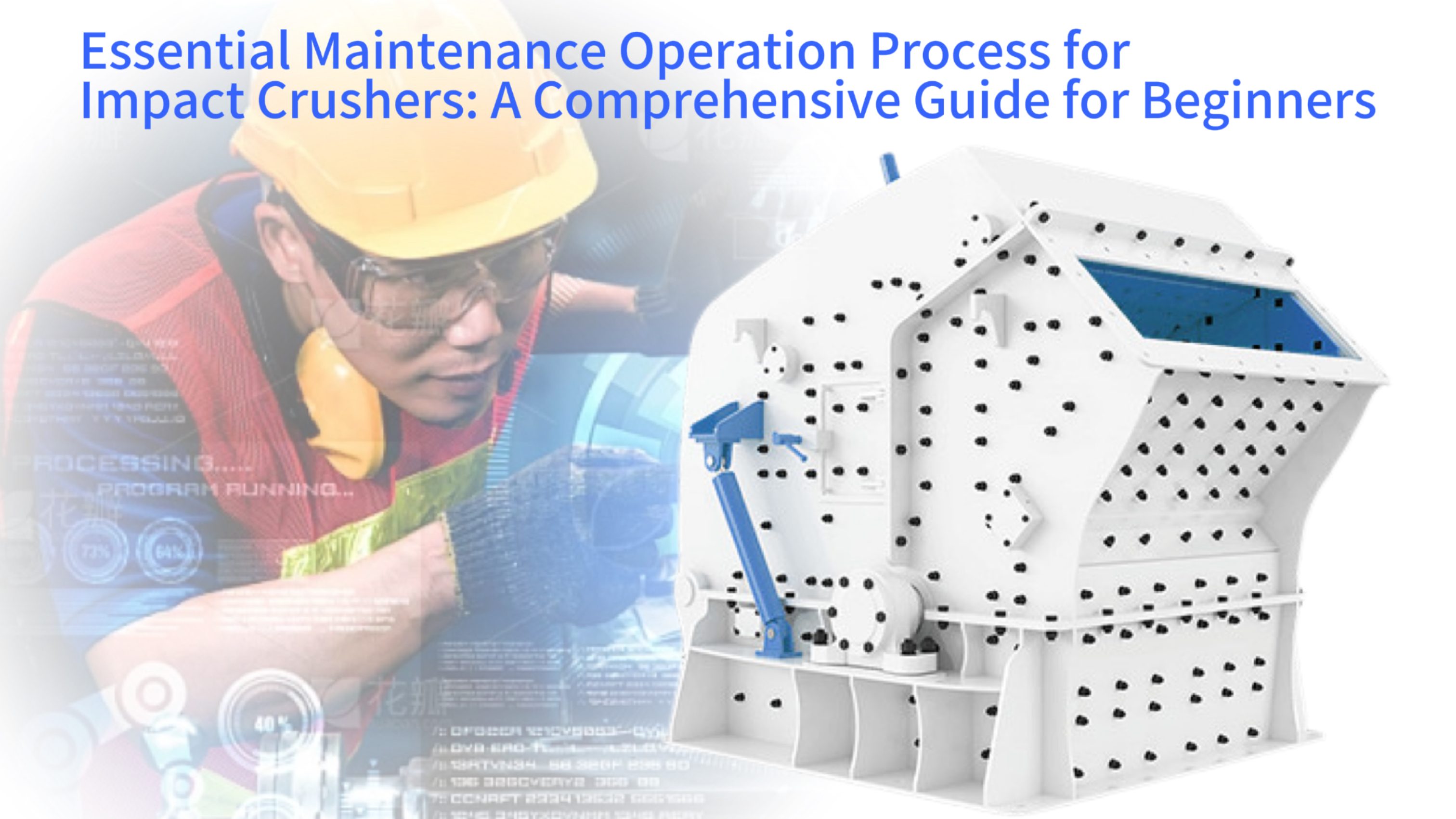
This guide outlines the critical maintenance procedures for impact crushers, focusing on systematic approaches to pre-operation checks, real-time monitoring, shutdown protocols, lubrication systems, wear component management, and initial fault diagnosis. Implementing these practices ensures equipment reliability, reduces operational risks, and supports sustained performance in material processing applications. The following sections provide a structured framework for operators to maintain mechanical integrity and optimize crusher functionality across various working conditions.
Pre-Startup Inspection for Impact Crushers
| No. | Inspection Item | Key Check Points |
|---|---|---|
| 1 | External Environment | Feed/discharge obstructions, workspace safety, dust levels |
| 2 | Mechanical Connections | Bolt tightness, torque values, structural joints |
| 3 | Transmission System | Belt tension, alignment, protective device functionality |
| 4 | Electrical System | Cable damage, emergency stops, control panel indicators |
Table: Pre-Startup Inspection Checklist for Impact Crushers
Conducting a comprehensive inspection before activating an impact crusher is fundamental to operational safety and mechanical preparedness. This process involves verifying the condition of all accessible components and ensuring the work environment meets safety standards. A methodical pre-startup evaluation minimizes the likelihood of component failure during operation and aligns with industry protocols for heavy machinery maintenance. Operators must prioritize this phase to identify potential issues that could compromise crusher efficiency or lead to unplanned downtime.
External and Surrounding Environment Assessment
Inspecting the external structure of the impact crusher requires a visual examination of the feed and discharge areas for obstructions or accumulated material. The surrounding workspace must be clear of debris and hazards to facilitate safe access and operation. Environmental factors such as dust levels and ground stability should be evaluated to prevent external influences from affecting crusher performance. This assessment forms the baseline for ensuring that the equipment integrates seamlessly into the production line without interference.
Verifying the integrity of safety guards and peripheral equipment is equally important to prevent accidents during crusher startup and operation. The presence of adequate lighting and ventilation in the crusher area supports both equipment functionality and operator well-being. Regular documentation of environmental conditions helps in maintaining a consistent operational framework and adhering to workplace safety regulations.
Verification of Key Mechanical Connection Integrity
Mechanical connections including bolts fasteners and structural joints must be examined for proper tightness using calibrated tools. Loose connections can induce vibrations that accelerate wear on critical components such as the rotor assembly and frame. A torque check on primary fasteners according to manufacturer specifications ensures structural cohesion under dynamic loads. This practice directly contributes to the crusher ability to withstand high impact forces during material fragmentation.
Periodic retightening schedules should be established based on operational hours and crusher vibration patterns to maintain connection integrity. The use of locking mechanisms or thread-locking compounds on essential bolts provides additional security against spontaneous loosening. Record keeping of torque values and inspection dates enables predictive maintenance and reduces the risk of connection related failures.
Transmission System and Protective Device Evaluation
The transmission system comprising V belts or couplings must be assessed for tension alignment and signs of wear to ensure efficient power transfer. Misaligned or worn transmission elements can cause energy losses and increase the load on the crusher motor. Protective devices such as guards and emergency stops require functional testing to verify they meet safety standards. Proper maintenance of these systems supports continuous operation and prevents mechanical overloads.
Documenting the condition of transmission components over time allows for the planning of replacements before catastrophic failure occurs. Lubrication points within the transmission assembly should be accessible and free from contamination to prolong component life. Regular alignment checks minimize uneven wear and contribute to consistent crusher performance.
Preliminary Electrical and Control System Diagnostics
Electrical systems including power cables control panels and sensors need inspection for damage corrosion or loose connections that could disrupt crusher operation. Testing emergency stop buttons and safety interlocks confirms their responsiveness in critical situations. Control system indicators and alarms should be verified for accurate readings to support operational decision making. These diagnostics help in identifying electrical issues that might otherwise lead to unexpected shutdowns.
Preventive electrical maintenance involves cleaning contacts and ensuring proper grounding to avoid short circuits or power fluctuations. Monitoring the crusher motor starting currents and voltage levels provides insights into electrical health and load conditions. Keeping electrical components dust free and dry enhances their reliability and extends service intervals.
Real Time Operational Monitoring of Impact Crushers
Operational Monitoring Methods
Auditory/Visual/Tactile checks for anomalies
Consistent feed rate & material distribution
Product gradation & production rate tracking
Motor current, bearing temp, vibration levels
Figure: Classification of Operational Monitoring Methods for Impact Crushers
Continuous monitoring during impact crusher operation enables the early detection of anomalies that could escalate into major failures. Operators utilize sensory observations and instrument data to assess machine behavior under load. This proactive approach facilitates timely interventions and maintains product quality while optimizing throughput. Effective monitoring relies on understanding normal operational parameters and recognizing deviations that indicate underlying issues.
Sensory Based Monitoring Techniques
Auditory monitoring involves listening for unusual sounds like metallic impacts or grinding that may signal component wear or foreign object entry. Olfactory checks detect overheating or electrical faults through unusual odors while visual inspections identify excessive vibration or material leakage. Tactile assessments of bearing housings and motors help in identifying abnormal temperature rises. These sensory methods provide immediate qualitative data on crusher condition without requiring specialized equipment.
Combining sensory observations with historical operational data improves the accuracy of fault prediction and diagnosis. Training operators to recognize specific sound patterns or vibration characteristics enhances their ability to respond to incipient problems. Regular sensory practice becomes an integral part of routine crusher management and safety protocols.
Feed Process Supervision and Uniform Material Introduction
Maintaining a consistent and controlled feed rate is essential for optimizing impact crusher performance and preventing blockages or overloads. The feed material should be evenly distributed across the rotor width to ensure balanced wear on blow bars and impact plates. Monitoring feed size distribution helps in avoiding the introduction of oversize particles that could damage the crusher interior. Uniform feeding supports stable operation and consistent product gradation.
Automated feed control systems can be integrated to regulate material flow based on crusher motor amperage and operational feedback. Manual feeding operations require attentive operators who can adjust rates according to crusher response and output quality. Proper feed management directly influences energy efficiency and the overall longevity of wear components.
Output Gradation and Production Rate Observation
Regular sampling and analysis of discharged material allow operators to verify that product size distribution meets specifications. Deviations from target gradation may indicate wear in the crushing chamber or the need for adjustment of the impact plate settings. Monitoring production rates against established benchmarks helps in identifying efficiency drops that could signal mechanical issues. Consistent output quality is a key indicator of proper crusher functioning and appropriate maintenance practices.
Documenting output characteristics over time enables trend analysis and proactive adjustment of operational parameters. Changes in product shape or size may necessitate inspections of wear parts or calibration of control systems. Output monitoring serves as a feedback mechanism for optimizing the entire crushing process.
Operational Parameter Recording and Anomaly Identification
Tracking key operational parameters such as motor current bearing temperatures and vibration levels provides quantitative data for crusher health assessment. Sudden changes in these values often precede mechanical failures and warrant immediate investigation. Establishing baseline readings during normal operation creates reference points for anomaly detection. Systematic data collection supports condition based maintenance and reduces unplanned downtime.
Implementing digital monitoring systems allows for real time data logging and automated alerts when parameters exceed predefined thresholds. Historical parameter analysis helps in identifying gradual degradation trends that might not be apparent through daily observations. This data driven approach enhances maintenance planning and resource allocation for crusher upkeep.
Standardized Shutdown and Post Operation Maintenance Procedures
Executing a structured shutdown sequence is critical for preserving impact crusher condition and preparing for subsequent operations. This process involves clearing the crushing chamber performing cleaning tasks and conducting post operation inspections. Adhering to standardized shutdown protocols minimizes residual stress on components and facilitates easier restarts. Proper shutdown practices contribute significantly to equipment longevity and maintenance efficiency.
Correct Chamber Emptying During Shutdown Sequence
Allowing the impact crusher to operate without feed material for a brief period before shutdown ensures that the crushing chamber is emptied of residual particles. This practice prevents material compaction between the rotor and impact plates which could cause difficulty during restart. The empty operation time should be sufficient to clear the chamber based on crusher design and material characteristics. Complete chamber evacuation reduces the risk of corrosion from retained moisture and material residues.
Monitoring the discharge stream during the emptying phase confirms that all material has been expelled from the system. In crushers with integrated screening systems additional time may be required to clear transfer points and conveyors. Documenting the emptying duration for different material types helps in optimizing the shutdown procedure for various operational scenarios.
Equipment Cleaning and Dust Removal Practices
Thorough cleaning of the impact crusher exterior and interior surfaces removes abrasive dust and material buildup that can accelerate wear. Focus areas include the rotor assembly bearing housings and lubrication points where contamination could impair functionality. Using appropriate cleaning methods such as compressed air or industrial vacuums prevents damage to sensitive components. Regular cleaning maintains crusher efficiency and reduces the frequency of intensive maintenance interventions.
Establishing a cleaning schedule based on operational hours and material processed ensures consistent upkeep without disrupting production cycles. Proper disposal of cleaned materials complies with environmental regulations and workplace safety standards. Cleaning activities also provide opportunities for visual inspections that might reveal early signs of component deterioration.
Post Operation Fastener Tightness Verification
Rechecking the tightness of critical fasteners after shutdown leverages the thermal and vibrational history of the operation to identify loosening. Fasteners exposed to dynamic loads during crushing may experience relaxation that compromises joint integrity. Using torque wrenches to verify key connections according to manufacturer specifications maintains structural stability. This post operation check complements pre startup inspections and ensures continuous mechanical reliability.
Maintaining records of fastener conditions and retightening frequencies supports predictive maintenance planning. The identification of repeatedly loosening fasteners may indicate the need for design modifications or upgraded components. Consistent fastener management prevents minor issues from evolving into major mechanical failures.
Maintenance Log Documentation and Shift Handover Protocols
Accurate record keeping in maintenance logs captures operational hours inspection findings and performed servicing activities for each crusher. These records support trend analysis warranty claims and regulatory compliance while providing a historical reference for troubleshooting. Detailed log entries should include parameter deviations component replacements and observed anomalies. Comprehensive documentation transforms individual observations into organizational knowledge.
Structured shift handover procedures ensure that critical information about crusher status and pending maintenance tasks is communicated between operating teams. Standardized reporting formats reduce miscommunication and ensure continuity in crusher management. Digital log systems with cloud storage enhance data accessibility and security for long term maintenance planning.
Core Lubrication System Maintenance for Impact Crushers
| Maintenance Aspect | Key Actions |
|---|---|
| Lubricant Selection | Match to temp/load; follow manufacturer specs; synthetic/mineral-based options |
| Bearing Lubrication | Calibrated grease guns; purge old grease; document intervals |
| Lubricant Replacement | Oil analysis; condition-based replacement; proper disposal |
| Leak Prevention | Seal inspection; UV dye detection; preventive seal replacement |
Table: Lubrication System Maintenance Key Points for Impact Crushers
Proper lubrication is fundamental to reducing friction and wear in impact crusher moving parts particularly in high speed rotor assemblies and bearing systems. Selecting appropriate lubricants establishing correct application intervals and monitoring lubricant condition are essential practices. Effective lubrication management directly influences energy consumption component lifespan and operational reliability. This section addresses the key aspects of maintaining optimal lubrication in impact crushers.
Selection of Suitable Lubricants and Greases
Choosing the right lubricants depends on factors such as operating temperature load conditions and crusher manufacturer recommendations. Synthetic lubricants often provide superior performance in high temperature environments while mineral based options may suffice for standard conditions. Grease selection should consider consistency additive packages and compatibility with existing lubricants. Using incorrect lubricants can lead to increased wear seal damage and reduced equipment efficiency.
Consulting lubrication charts and technical data sheets ensures that selected products meet the specific requirements of impact crusher components. Environmental considerations such as water resistance and biodegradability may influence lubricant choice in certain applications. Establishing standardized lubricant specifications across multiple crushers simplifies inventory management and application procedures.
Bearing Lubrication Intervals and Application Methods
Establishing appropriate lubrication intervals for crusher bearings based on operational hours temperature and load conditions prevents both overlubrication and insufficient lubrication. Using calibrated grease guns ensures the precise delivery of the required lubricant quantity to each bearing point. The purging method where new grease displaces old lubricant until clean grease emerges should be followed to remove contaminants. Proper lubrication techniques extend bearing life and maintain rotor alignment.
Documenting lubrication activities including dates quantities and bearing conditions supports maintenance scheduling and troubleshooting. Monitoring bearing temperatures before and after lubrication provides feedback on lubrication effectiveness. Training operators in correct lubrication procedures minimizes the risk of application errors that could damage bearings or seals.
Lubricant Level Inspection and Replacement Schedules
Regular checks of lubricant levels in reservoirs and gearboxes ensure that components operate with adequate lubrication at all times. Using sight glasses dipsticks or electronic sensors facilitates accurate level assessment without disassembly. Oil analysis programs that test for contamination viscosity changes and additive depletion help determine optimal replacement intervals. Scheduled lubricant replacement prevents the accumulation of wear particles and degraded lubricant from damaging crusher components.
Establishing condition based replacement criteria rather than fixed time intervals optimizes lubricant usage and reduces waste. Proper disposal of used lubricants in accordance with environmental regulations is an essential aspect of responsible crusher maintenance. Maintaining records of lubricant changes and analysis results supports continuous improvement of lubrication practices.
Lubrication System Leak Prevention and Inspection Techniques
Regular inspections of seals gaskets and lubrication lines identify potential leak sources before they result in significant lubricant loss. Using ultraviolet dyes or leak detection systems enhances the identification of small leaks that might otherwise go unnoticed. Addressing leaks promptly prevents component damage environmental contamination and safety hazards. Proper seal selection and installation techniques reduce the likelihood of leakage in dynamic crusher applications.
Implementing preventive maintenance schedules for seal replacement based on operational hours and historical performance data minimizes unexpected leaks. Training maintenance personnel in proper seal installation procedures ensures correct fitting and extends seal life. Monitoring lubricant consumption rates provides an additional indicator of potential leakage issues.
Wear Components Inspection Replacement and Adjustment in Impact Crushers
Wear Components Management
Figure: Wear Components Management Process for Impact Crushers
Wear components such as blow bars impact plates and liners undergo continuous degradation during impact crusher operation necessitating systematic inspection and replacement protocols. Establishing wear measurement techniques replacement criteria and adjustment procedures ensures consistent crusher performance and product quality. Proper management of wear parts directly affects operational costs and maintenance scheduling. This section details the approaches to maintaining these critical components.
Blow Bar Wear Assessment and Replacement Criteria
Regular measurement of blow bar thickness and weight loss provides quantitative data for wear assessment and replacement planning. Establishing replacement thresholds based on manufacturer specifications and operational experience prevents excessive wear that could damage other components. Rotating or repositioning blow bars at predetermined wear stages extends their service life through more even wear distribution. Consistent blow bar maintenance ensures efficient impact crushing and stable product gradation.
Documenting the service life of blow bars for different material types helps in predicting replacement schedules and optimizing inventory management. Using wear resistant materials and specialized coatings can significantly extend blow bar longevity in abrasive applications. Proper storage and handling of replacement blow bars prevent damage before installation and maintain their structural integrity.
Impact Plate and Liner Wear Evaluation
Visual inspections and thickness measurements of impact plates and liners identify wear patterns that affect crushing efficiency and product shape. Uneven wear may indicate material flow issues or misalignment requiring adjustment of the impact rack or feed distribution. Establishing replacement criteria based on minimum thickness specifications prevents plate failure that could lead to secondary damage. Regular wear evaluation maintains optimal impact crushing dynamics and energy efficiency.
Recording wear rates for different liner materials and configurations provides data for selecting the most economical options for specific applications. Implementing a liner rotation or repositioning schedule maximizes material utilization and extends service intervals. Proper installation techniques including correct torque sequences ensure liner stability during operation.
Rotor Dynamic Balance Verification After Component Replacement
Verifying rotor balance following the replacement of wear components or any rotor maintenance is essential to prevent destructive vibrations. Imbalance in the rotor assembly increases bearing loads accelerates wear and reduces overall crusher reliability. Using dynamic balancing equipment ensures precise correction of mass distribution according to manufacturer tolerances. Proper rotor balance maintains smooth operation and protects adjacent components from vibration induced damage.
Establishing routine balance checks as part of preventive maintenance programs identifies gradual imbalance before it causes operational issues. Documenting balance records and correction weights creates a historical reference for future maintenance. Training maintenance personnel in proper balancing techniques ensures consistent results and reduces reliance on external services.
Discharge Gap Adjustment for Product Size Control
Adjusting the gap between the rotor and impact frame directly influences the final product size distribution in impact crushers. Using hydraulic or mechanical adjustment systems allows operators to modify crushing intensity without shutdowns in modern designs. Regular verification of gap settings ensures consistent product specifications despite component wear. Proper gap adjustment optimizes the balance between production rate energy consumption and product quality.
Documenting the relationship between gap settings and product gradation for different materials facilitates quick adjustments when changing production requirements. Implementing wear compensation procedures maintains consistent product size as components wear during operation. Training operators in precise adjustment techniques ensures accurate control over final product characteristics.
Initial Diagnosis and Management of Common Operational Faults in Impact Crushers
| Fault Type | Common Causes | Response Actions |
|---|---|---|
| Abnormal Vibration | Rotor imbalance, loose fasteners, worn bearings | Balance rotor, retighten fasteners, inspect bearings |
| Production Reduction | Worn blow bars, chamber buildup, feed issues | Replace wear parts, clear chamber, adjust feed rate |
| Elevated Bearing Temp | Inadequate lubrication, misalignment, contamination | Re-lubricate, realign, clean/seal bearings |
| Unusual Noises | Foreign objects, loose components, bearing wear | Stop machine, remove debris, inspect components |
Table: Common Fault Diagnosis and Treatment for Impact Crushers
Recognizing early signs of common faults enables prompt intervention that prevents minor issues from developing into major failures in impact crushers. Understanding symptom patterns and implementing systematic diagnostic approaches reduces downtime and repair costs. This section addresses the identification and preliminary response to frequently encountered operational problems. Effective fault management relies on operator training methodical troubleshooting and appropriate documentation.
Analysis of Abnormal Vibration Amplification Causes
Excessive vibration in impact crushers may stem from rotor imbalance worn bearings loose fasteners or material buildup on components. Measuring vibration frequencies and amplitudes helps isolate the specific source of the problem. Imbalance typically produces dominant vibrations at rotational frequency while bearing defects generate higher frequency components. Systematic vibration analysis guides targeted corrective actions and prevents unnecessary component replacements.
Implementing regular vibration monitoring establishes baseline patterns that facilitate early detection of developing issues. Using portable vibration analyzers or installed monitoring systems provides quantitative data for condition assessment. Correlating vibration changes with operational parameters and maintenance activities improves diagnostic accuracy and intervention timing.
Investigation Points for Sudden Production Rate Reduction or Coarse Output
Unexpected drops in production capacity or shifts toward coarser product size often indicate wear in crushing components or changes in material characteristics. Checking blow bar thickness impact plate gap settings and feed material properties identifies potential causes. Material buildup in the crushing chamber or feed system can also restrict material flow and reduce efficiency. Methodical investigation prioritizes the most likely causes based on symptom patterns and operational history.
Documenting production parameters before and after changes helps identify correlation with specific events or maintenance activities. Implementing regular product sampling and analysis provides objective data for detecting gradation shifts. Training operators to recognize subtle changes in crusher sound and behavior enhances early problem detection.
Potential Origins and Responses to Elevated Bearing Temperatures
Increased bearing temperatures may result from inadequate lubrication excessive loading misalignment or contaminant ingress. Measuring temperature trends rather than single readings provides more reliable diagnostic information. Comparing temperatures across multiple bearings identifies localized issues versus systemic problems. Prompt investigation of temperature anomalies prevents catastrophic bearing failures and associated damage.
Establishing temperature baselines for normal operation facilitates the detection of abnormal conditions. Implementing infrared thermography or installed temperature sensors enables continuous monitoring without direct contact. Correlating temperature changes with lubrication schedules load conditions and environmental factors improves diagnostic precision.
Identification of Unusual Auditory Signatures During Operation
Distinctive sound patterns often provide early indications of specific problems in impact crushers. Metallic impacts may signal loose components or foreign objects while grinding noises suggest bearing issues. Changes in crushing sound characteristics can indicate wear progression or material property variations. Systematic sound assessment combined with other operational data enhances fault detection capabilities.
Recording reference sounds during normal operation creates comparison standards for anomaly detection. Using acoustic monitoring systems provides objective data for trending and analysis. Training operators to differentiate between normal operational sounds and problem indicators improves response times and diagnostic accuracy.