Hammer Crusher versus Jaw Crusher A Comprehensive Equipment Selection Guide
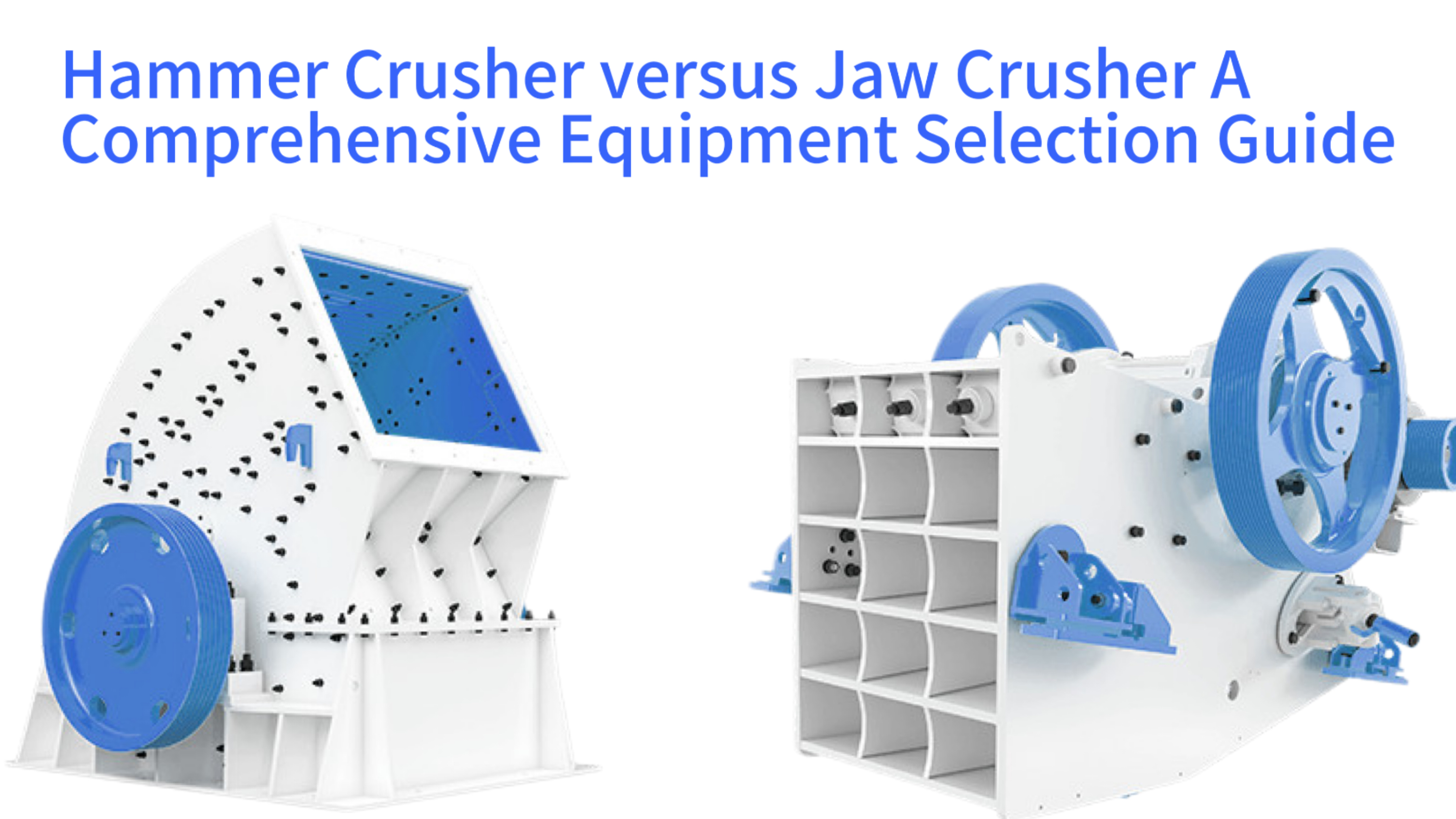
This guide offers a detailed examination of hammer crushers and jaw crushers two prevalent machines in industrial crushing operations. It explores their fundamental working mechanisms performance metrics such as capacity and discharge size along with operational costs and ideal material applications. The objective is to furnish readers with factual data and clear comparisons to support informed decision-making for various projects. Understanding the distinctions between these crushers can significantly impact efficiency and productivity in fields like mining construction and recycling. The analysis presented here is grounded in mechanical principles and industry practices without bias toward either machine.
Crusher Selection Decision Flow
Fundamental Differences in Crushing Principles
The crushing principles of hammer crushers and jaw crushers represent two distinct approaches to reducing material size. These methods rely on different physical forces which directly influence machine efficiency and output characteristics. A thorough grasp of these principles is essential for selecting the appropriate equipment for specific tasks. The compression-based mechanism of jaw crushers contrasts sharply with the impact-based approach of hammer crushers leading to varied applications and performance outcomes.
Crushing Mechanisms Comparison
Jaw Crusher: Compression
Hammer Crusher: Impact
Jaw Crusher Compression Based Crushing Process
Jaw crushers operate by applying compressive force through a fixed jaw and a movable jaw. The movable jaw exerts pressure on the material trapped between the two surfaces causing it to fracture. This process mimics the action of a human jaw chewing with the material being progressively reduced in size until small enough to escape through the discharge opening. The efficiency of this method is high for hard and abrasive materials due to the direct application of force. For more details on jaw crusher components visit the dedicated section on jaw crusher components.
The design of jaw crushers includes an eccentric shaft that drives the movable jaw creating a reciprocating motion. This motion ensures consistent compression across the crushing chamber which is lined with wear-resistant plates. The gradual reduction of material minimizes the generation of fines and produces a relatively uniform product size. However the repetitive squeezing action can result in elongated particles affecting the shape of the final product.
Hammer Crusher Impact Based Crushing Process
Hammer crushers utilize high-speed rotors equipped with hammers that strike the feed material. Upon impact the material shatters or breaks apart upon hitting the crusher's liners or grate bars. This method relies on kinetic energy transfer from the rotating hammers to the material making it effective for brittle substances. The rapid collisions within the crushing chamber facilitate a high reduction ratio in a single stage. Learn about different hammer crusher types such as PC and PCZ series for specific applications.
The rotor assembly in hammer crushers spins at velocities that can exceed 1000 revolutions per minute generating substantial impact forces. Material is fed into the top of the crusher and is repeatedly struck by hammers until it passes through the bottom grate openings. This process tends to produce more fines and irregularly shaped particles compared to compression crushers. The absence of a gradual size reduction phase means that hammer crushers can handle larger feed sizes relative to their chamber dimensions.
Comparison of Mechanical Principles Compression versus Impact
Compression crushing as seen in jaw crushers involves slow application of force which is efficient for hard materials. Impact crushing in hammer crushers uses rapid force delivery suitable for brittle materials. The energy consumption per ton of material processed often differs with compression methods generally requiring less power for high-strength rocks. Impact methods may consume more energy but achieve higher reduction ratios in one pass. These differences influence machine selection based on material properties and desired output.
Mechanical principles also affect wear and tear on crusher components. Compression crushers experience gradual wear on jaw plates while impact crushers suffer from rapid hammer and liner deterioration. The choice between these principles hinges on factors like material hardness moisture content and required product specifications. Operators must balance these considerations to optimize crushing efficiency and equipment longevity.
Physical Differences in Feeding and Discharge Processes
Jaw crushers typically feature a V-shaped chamber where material is fed from the top and crushed between the jaws. The discharge size is controlled by adjusting the gap between the jaw plates allowing for precise product grading. This controlled environment reduces the risk of oversize material exiting the crusher. The feeding process requires uniform distribution to prevent choking and ensure smooth operation.
Hammer crushers employ a more open design where material enters and is immediately subjected to hammer strikes. Discharge occurs through grates or screens that determine the maximum product size. This setup allows for continuous processing of variable feed materials but may lead to inconsistent output if the grates become clogged. The physical layout supports high throughput rates for appropriate materials like limestone or coal.
Capacity and Discharge Size Characteristics
Capacity and discharge size are critical parameters in crusher selection directly affecting project throughput and product quality. Jaw crushers and hammer crushers exhibit distinct performance profiles in these areas. Capacity refers to the volume of material processed per unit time while discharge size defines the granulometry of the output. These characteristics are influenced by machine design operational settings and material properties.
Capacity Comparison by Material Type
Jaw Crusher Capacity and Product Size Curve
Jaw crushers demonstrate a linear relationship between feed size and capacity with larger feed openings enabling higher throughput. The product size curve is relatively steep meaning most output falls within a narrow range. For instance a jaw crusher set to a 150 millimeter discharge gap can process up to 500 tons per hour of granite. The uniformity of the product is beneficial for applications requiring consistent aggregate sizes such as in concrete production. Additional insights on discharge size control can be found in the discharge size article.
The capacity of a jaw crusher is also affected by the closed side setting which is the smallest distance between the jaw plates. As this setting decreases the capacity generally reduces due to finer crushing requiring more energy. However the product becomes more uniform with fewer oversized particles. This trade-off necessitates careful adjustment based on production goals and material characteristics.
Hammer Crusher Capacity and Product Size Characteristics
Hammer crushers often achieve higher capacities for similar machine sizes when processing soft to medium-hard materials. Their product size distribution is broader with a significant proportion of fines. A typical hammer crusher might handle 300 tons per hour of limestone producing a mix of coarse and fine particles. The use of grate bars allows operators to control the top size of the discharge but the output remains variable. For more on fine crushing options explore the fine crusher types available.
The capacity of hammer crushers is highly dependent on rotor speed and hammer configuration. Higher speeds increase impact energy boosting capacity for brittle materials. However this can also elevate wear rates and power consumption. The product size is influenced by the gap between hammers and grates with smaller gaps yielding finer materials. This flexibility makes hammer crushers suitable for applications where a range of product sizes is acceptable.
Single Stage Crushing Capability Comparison
Hammer crushers excel in single-stage crushing achieving reduction ratios as high as 20:1 in one machine. This capability reduces the need for secondary crushing units lowering overall plant complexity and cost. Jaw crushers typically achieve lower reduction ratios around 6:1 necessitating additional crushing stages for fine products. The high single-stage efficiency of hammer crushers makes them ideal for operations with space or budget constraints.
Jaw crushers are often employed as primary crushers in multi-stage setups where they prepare material for further processing. Their robust construction allows them to handle large feed sizes and hard rocks effectively. The choice between single and multi-stage crushing depends on the initial material size desired final product and economic considerations. Each crusher type offers distinct advantages in different contexts.
Product Shape Analysis Cubical versus Flaky Particles
Jaw crushers tend to produce more flaky or elongated particles due to the compressive action that fractures materials along natural cleavage planes. This shape characteristic can affect the workability of concrete or the compaction of road bases. In contrast hammer crushers generate more cubical particles because impact forces break materials randomly resulting in sharper edges and more uniform shapes. The cubical shape is often preferred for high-strength applications and better interlocking in asphalt mixes.
The shape of crushed material influences downstream processes and product performance. For example flaky particles may reduce the durability of construction materials while cubical particles enhance it. Operators must consider these factors when selecting a crusher especially for sensitive applications like architectural concrete or railway ballast. Material testing is recommended to verify shape outcomes before full-scale implementation.
Suitable Materials and Industry Applications
The suitability of hammer crushers and jaw crushers varies significantly based on material properties such as hardness abrasiveness and moisture content. Industry applications range from mining and quarrying to construction and recycling. Understanding which crusher performs best with specific materials ensures optimal operation and cost efficiency. This section outlines typical materials and contexts for each machine type.
Material Suitability Comparison
Jaw Crusher Ideal Crushing Material List
Jaw crushers are well-suited for hard and abrasive materials including granite basalt and quartzite. These materials withstand compression forces without excessive wear on the crusher components. Jaw crushers are commonly used in primary crushing roles within mining operations and aggregate production plants. Their ability to handle large feed sizes makes them indispensable for processing run-of-mine ores and quarry rocks. For specific solutions on granite processing refer to the granite crushing section.
The high compressive strength of materials like basalt often exceeds 200 megapascals making jaw crushers a preferred choice due to their durable construction. The slow crushing action minimizes heat generation and reduces the risk of thermal damage to the machine. Additionally jaw crushers can tolerate minor variations in feed composition without significant performance loss.
Hammer Crusher Ideal Crushing Material List
Hammer crushers perform optimally with brittle and less abrasive materials such as limestone coal and gypsum. These materials fracture easily upon impact allowing high throughput and efficient size reduction. Hammer crushers are frequently employed in cement plants power stations and agricultural settings for processing fertilizers or feed ingredients. Their versatility extends to handling mixed materials like construction and demolition waste. Discover more on recycling applications in the C and D waste recycling solutions.
Materials with high moisture content can be challenging for hammer crushers if they cause clogging in the grate assemblies. However designs with self-cleaning features mitigate this issue. The ability to crush sticky or damp materials depends on crusher configuration and operational adjustments. Proper maintenance ensures consistent performance even with variable feed conditions.
Strategies for Selecting Equipment with Highly Abrasive Materials
When processing highly abrasive materials jaw crushers often outperform hammer crushers due to their slower wear rates. The jaw plates in compression crushers wear gradually and can be reversed or replaced extending service life. In contrast the hammers and liners in impact crushers require frequent replacement increasing downtime and operational costs. Material abrasiveness is measured by indices like the Los Angeles abrasion test with values above 30 indicating high abrasiveness.
Selection strategies include evaluating the total cost of ownership which encompasses initial investment maintenance expenses and production losses. For abrasive materials the longer component life of jaw crushers often justifies their higher upfront cost. Alternatively using specialized wear-resistant alloys in hammer crushers can improve durability but at a premium price.
Application in Construction Waste Recycling Aggregate Production
Hammer crushers are particularly effective in construction waste recycling due to their ability to handle heterogeneous materials like concrete bricks and asphalt. The impact action breaks apart these materials efficiently producing reusable aggregates. Jaw crushers can also process construction waste but may struggle with reinforced concrete or large metal inclusions. The choice depends on the waste composition and desired aggregate quality. Mobile crusher types offer flexibility in on-site recycling operations.
Recycled aggregates must meet specific standards for use in new construction projects. Hammer crushers produce a more graded product that can be sorted into various size fractions. Jaw crushers yield a coarser output often requiring secondary processing. Environmental regulations and economic incentives drive the adoption of recycling technologies influencing crusher selection.
Operating Costs and Return on Investment Analysis
Operating costs and return on investment are crucial factors in crusher selection encompassing initial purchase price energy consumption and maintenance expenses. A comprehensive analysis helps operators evaluate the long-term financial implications of their choice. Jaw crushers and hammer crushers present different cost structures influenced by their design and operational requirements.
Cost Comparison Analysis
| Cost Factor | Jaw Crusher | Hammer Crusher | Difference |
|---|---|---|---|
| Initial Purchase Cost | $250,000 | $180,000 | +39% |
| Annual Maintenance Cost | $15,000 | $30,000 | -50% |
| Energy Cost per Ton | $0.75 | $1.20 | -38% |
| 5-Year Total Cost | $325,000 | $330,000 | -2% |
| Break-Even Point | 24 Months | ||
Initial Purchase Cost Comparison Analysis
Jaw crushers generally have a higher initial purchase cost compared to hammer crushers of similar capacity. This difference stems from their robust construction and precision engineering required for compression crushing. For example a medium-sized jaw crusher might cost 20-30% more than an equivalent hammer crusher. However the investment may be justified by lower operating costs over time. Factors affecting price include machine size material of construction and additional features like hydraulic adjustment systems.
Hammer crushers offer a lower entry point for businesses with budget constraints making them accessible for small to medium-sized operations. The simplicity of their design reduces manufacturing costs. Nonetheless potential buyers should consider total cost of ownership rather than just the initial outlay to avoid unexpected expenses later.
Detailed Overview of Wear Parts Life and Replacement Costs
Wear parts in jaw crushers such as jaw plates typically last between 1000 and 2000 hours of operation depending on material abrasiveness. Replacement costs are moderate and the process is straightforward minimizing downtime. In hammer crushers hammers and grate bars may need replacement every 200 to 500 hours in high-abrasion scenarios leading to higher cumulative costs. The frequency of changes increases with rotor speed and material hardness. Information on wear parts for cone crushers can be found in the concave components section.
The life expectancy of wear parts is influenced by operational practices like regular maintenance and proper feed control. Using high-quality alloys or composite materials can extend part life but at a higher initial expense. Operators should track wear rates and schedule replacements proactively to avoid unplanned stoppages.
Energy Efficiency Comparison Kilowatt Hours per Ton
Jaw crushers often exhibit better energy efficiency for hard materials consuming between 0.5 and 1.5 kilowatt-hours per ton of processed material. Their slow-speed operation reduces power demand while maintaining high crushing efficiency. Hammer crushers may use 1.0 to 2.5 kilowatt-hours per ton for similar tasks due to the high energy required to accelerate the rotor and hammers. Energy costs constitute a significant portion of operating expenses especially in high-volume operations.
Efficiency varies with material type; for instance hammer crushers are more efficient for brittle materials like limestone. Operators can optimize energy use by selecting the right crusher for the material and maintaining optimal operational parameters. Regular audits of power consumption help identify areas for improvement.
Consideration of Maintenance Downtime and Labor Costs
Maintenance downtime for jaw crushers is generally lower due to the infrequent replacement of wear parts and simple access for servicing. Labor costs associated with maintenance are manageable as tasks like jaw plate replacement can be performed by a small crew. Hammer crushers require more frequent interventions increasing labor hours and potential production losses. The complexity of rotor assembly and balance checks adds to the time and skill required.
Downtime costs include not only labor but also lost production revenue. Plants with continuous operations prioritize crushers with high reliability and easy maintenance. Predictive maintenance technologies such as vibration monitoring can reduce unexpected failures and optimize scheduling.
Equipment Maintenance and Operational Complexity
Maintenance requirements and operational complexity impact the usability and reliability of crushing equipment. Jaw crushers and hammer crushers differ in their maintenance schedules and the skills needed for operation. Understanding these aspects helps in planning resources and training programs. Simpler maintenance procedures reduce the risk of errors and enhance equipment longevity.
Maintenance Requirements Comparison
Jaw Crusher Daily Inspection and Maintenance Essentials
Daily inspections for jaw crushers include checking lubrication levels verifying jaw plate wear and ensuring tightness of bolts and fasteners. Proper lubrication of the eccentric shaft and bearings is critical to prevent overheating and premature failure. Operators should monitor for unusual noises or vibrations that indicate misalignment or component wear. Regular maintenance extends the crusher's life and maintains performance standards. Learn about other crusher maintenance in the cone crusher components area.
Maintenance tasks are typically documented in manufacturer manuals with recommended intervals. Training programs for operators emphasize safety procedures and routine checks. The straightforward design of jaw crushers allows most maintenance to be performed with basic tools reducing dependency on specialized technicians.
Hammer Crusher Daily Inspection and Maintenance Essentials
Hammer crushers require daily checks on hammer wear grate clearance and rotor balance. Worn hammers must be replaced or rotated to ensure even wear and maintain crushing efficiency. The grate assemblies should be inspected for clogging or damage which can affect product size and capacity. Rotor balance is crucial to prevent excessive vibrations that could lead to mechanical failures. For details on rotor design visit the impact crusher rotor components page.
Maintenance frequency increases with operational intensity particularly when processing abrasive materials. Operators need to keep spare parts on hand to minimize downtime. The use of quick-change systems for hammers and grates can streamline the maintenance process.
Response Mechanisms to Unbreakable Objects like Metal Pieces
Jaw crushers often incorporate toggle plates that act as safety devices breaking under excessive load to protect the machine from damage by unbreakable objects. This design allows for easy replacement of the toggle plate resuming operation quickly. Hammer crushers may suffer more severe damage such as bent rotors or broken shafts when encountering tramp metal. Some models include hydraulic or pneumatic systems to release foreign objects but these add complexity and cost.
Preventive measures like magnetic separators or metal detectors in the feed stream reduce the risk of unbreakable objects entering the crusher. Operators should establish protocols for regular inspection of feed materials to mitigate potential issues.
Comparison of Core Parts Replacement Difficulty and Time
Replacing jaw plates in a jaw crusher is a relatively simple process that can be completed in a few hours with standard tools. The design allows for easy access to the crushing chamber. In hammer crushers replacing an entire set of hammers and grate bars may take significantly longer due to the need for precise alignment and balance checks. Rotor removal might require specialized equipment and skilled personnel increasing downtime and labor costs.
The time required for parts replacement affects overall equipment availability and production schedules. Plants with high utilization rates prefer crushers with minimal replacement time. Inventory management of spare parts is essential to avoid extended stoppages.